When California Closes Its Refineries, America Pays the Price
“The line between disorder and order lies in logistics.” – Sun Tzu
A misplaced consensus among average Americans, regardless of political perspective, seems to be that whatever happens in Gov. Gavin Newsom’s California is well . . . a California issue.
The massive outward migration over the years of Californians to the rest of the nation affirms what we see almost daily; a state hijacked by socialists in the legislature and governor’s mansion makes life in the Golden State intolerable.
While the nation can absorb transplants without too much turbulence, the policies and regulations emanating from Sacramento are now threatening the security of every American from “sea-to-shining sea.”
In the last 20 years, California and its climate-cult-zombie-armies have made life nearly-untenable for fossil fuel refineries, by force of law.
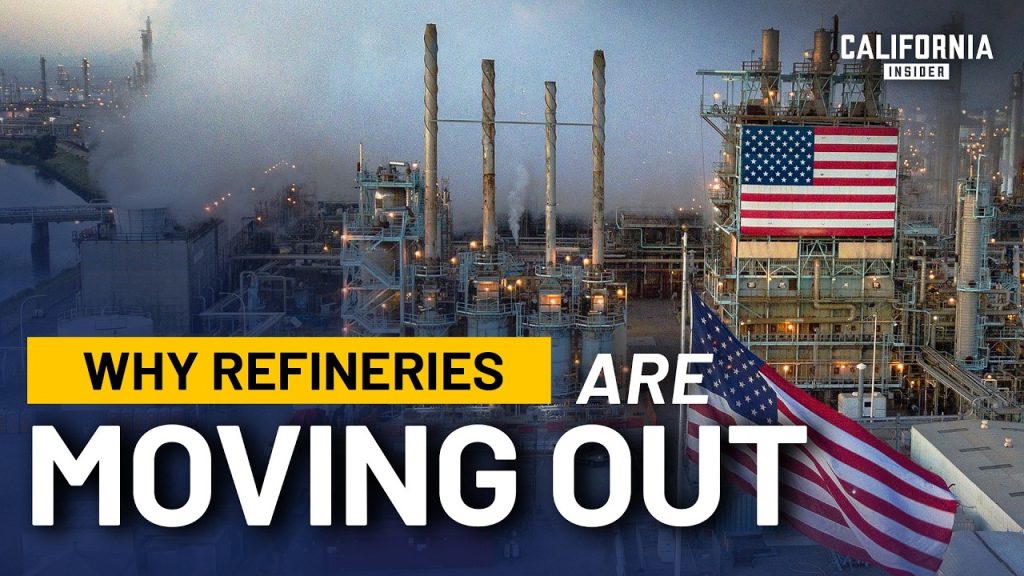
In 2006 there were 23 refineries in operation; today there are 12, with another, Valero Benicia set to close by the end of April this year.
Cynical Americans watching the managed demolition of a state many thought to be a paradise on this earth might quip that California is doing this to itself and will have to bear the consequences.
The electrified dreams of the socialists terrified of life-giving carbon, never materialized.
With the dawn of AI-infused data centers that consume power and water at levels never imagined and an electric world brought to you by solar, wind, and magic unicorn dust from elf land will never meet this nation’s peace time needs.
We are certainly not at peace time.
Although we’re in no declared war, we have American military forces deployed globally.
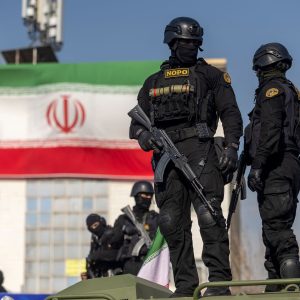
The Iran crisis alone has employed a third of our naval forces and almost a quarter of our air forces. From a logistics perspective, these forces have one thing in common.
California, Nevada, and Arizona have 40 military installations combined. 32 of them are in California, yet all three states depend on California refineries.
In oil production, the story is just as grim.
In 1988, the Golden State produced all of its oil needs minus 4.5%.
Today the state produces less than 23% of what it needs with a risky reliance on foreign oil delivered mostly by Chinese tankers.
No logistics Ph.D.s or defense experts are required to see the obvious.
California’s mismanagement of energy policy leaves our entire nation vulnerable to foreign adversaries.
Sacramento may be the proverbial domino that sets off a series of cascading effects.
Let’s add in the following factors to the state we’re in:
Back to Iran. If the pending war goes hot and becomes a sustained, resource intensive effort, global demand on fuel will go parabolic. U.S. refineries (and what’s left of California’s) will have to go into overdrive.
Nations pushing back on the war like China would stop tankers to the U.S. Iranian counterstrikes could plausibly include terror cell activation here at home, striking our grid and scarce refineries.
A linked banking crisis and higher fuel prices could finish off trucking and maybe rail.
Scarce food in cities already tense from the politics of the day could spiral into dramatic violence and unrest.
Can we allow California to simply close refineries and increase the probability of the scenario above?
The administration should strongly consider nationalizing these assets so critical to our stability. Additionally, the national security complex in the swamp (D.C.) should be weighing these factors before committing to a war that could spark one here in the homeland.
“We will have strong borders, strike down terrorists who threaten our people, and keep America out of endless and costly foreign wars.”
— Nomination Acceptance Speech, GOP Convention, 2020
Please remember that pledge, Mr. President.
The truly costly wars may end up being domestic.