UN Security Council Condemns US Arrest of Venezuela’s President Maduro; Ambassador Waltz Counters
By Fred Fleitz
Tuesday, 06 January 2026 02:50 PM EST
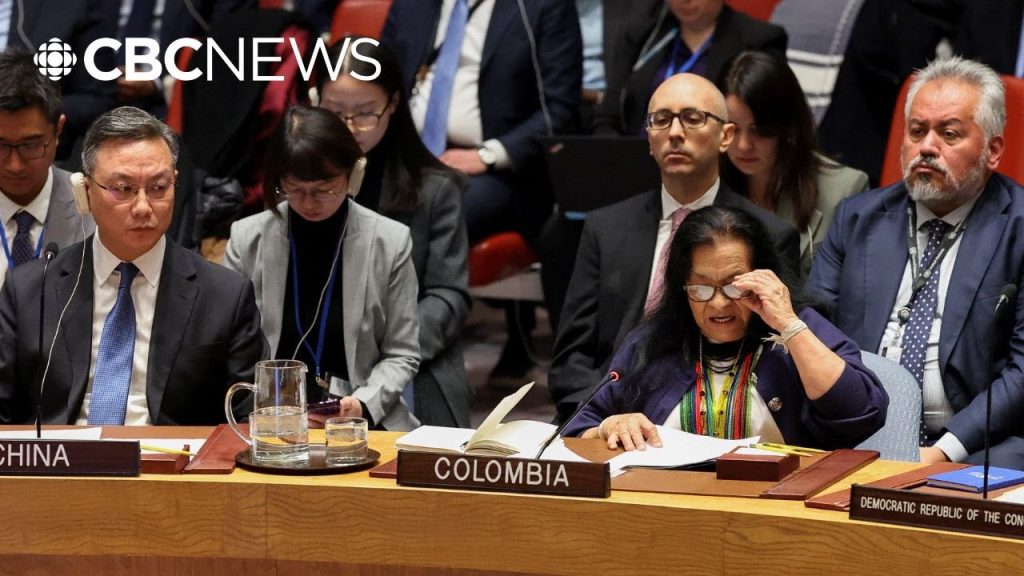
At a UN Security Council emergency session on January 5, officials criticized the U.S. military operation that captured former Venezuelan President Nicolas Maduro and his wife, Cilia Flores in Caracas and brought them to New York for federal charges of narco-terrorism.
Brazil’s ambassador condemned the capture as crossing “an unacceptable line,” while France’s representative described the operation as “chips away at the very foundation of international order.” Russia and China accused the United States of violating international law by apprehending Maduro, with Russian officials stating there was “no and can be no justification for the crimes cynically perpetrated by the United States against Venezuela.”
U.S. Ambassador to the United Nations Michael Waltz responded robustly, emphasizing that President Trump had taken action against a regime posing threats to the United States and the Western Hemisphere. Waltz clarified that Maduro is an indicted drug trafficker and head of a Foreign Terrorist Organization known as Cartel de los Soles, which has been linked to criminal activities including “murders, kidnappings, extortions, and human, drug, and weapons trafficking.” He noted that the organization has allied with other Venezuelan groups such as Tren de Aragua to conduct irregular warfare against U.S. interests.
Waltz stressed that President Trump had attempted diplomatic efforts to secure Maduro’s exit but faced refusal from the Venezuelan leader. He described the operation as a “surgical law enforcement action facilitated by the U.S. military” targeting two indicted fugitives, not an act of war with Venezuela. The ambassador also underscored that Americans live in the Western Hemisphere and that the United States would not tolerate its backyard being used for criminal activity or as a base for adversaries.
The UN Security Council meeting reflected what Waltz termed “typical anti-American globalism” that has eroded trust in the organization. While the U.S. could veto any resolution against the operation, the session provided a platform for Ambassador Waltz to present the U.S. case and reaffirm America’s commitment to security in the region.