U.S. Moves to Block Venezuela’s Oil Revenue as Coast Guard Boards Suspected Russian-Flagged Tanker
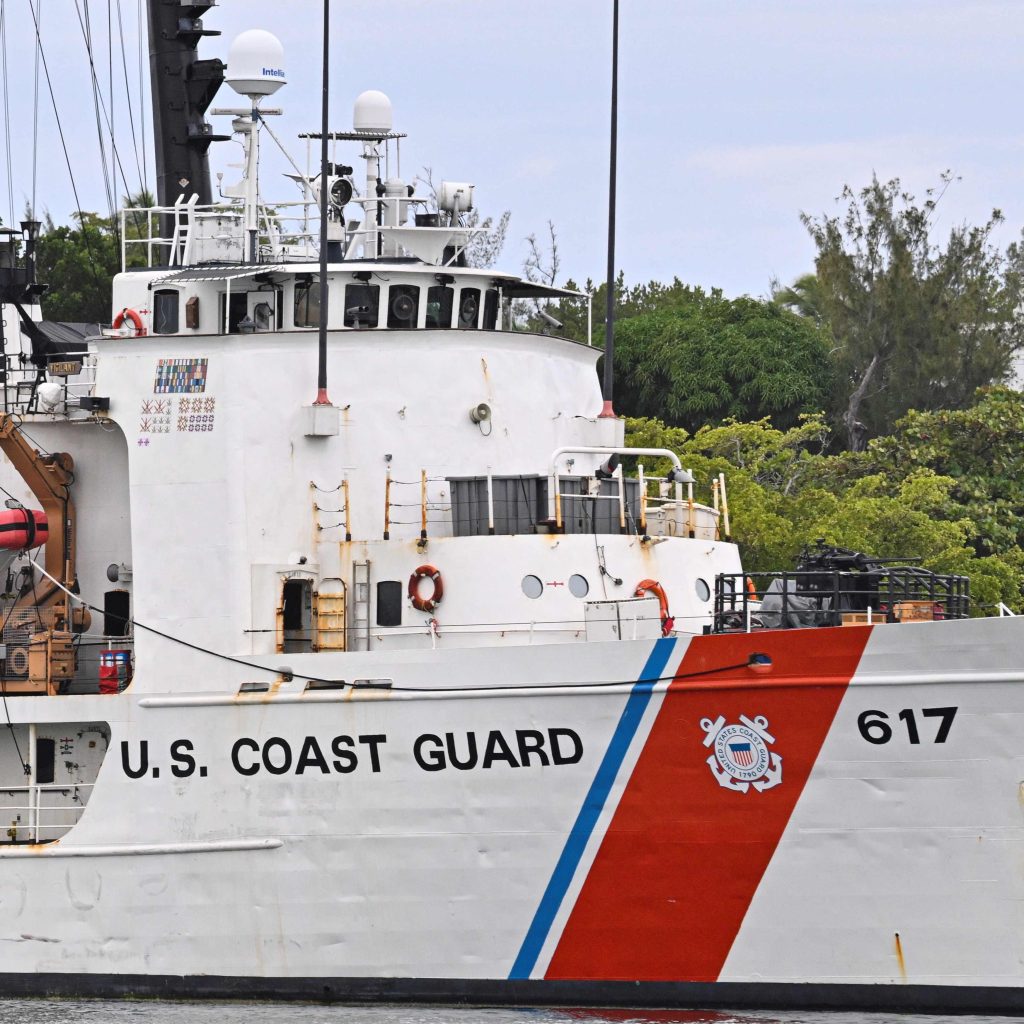
A USCGC Vigilant (WMEC-617) is docked at Coast Guard Base San Juan, on December 31, 2025 San Juan, Puerto Rico. The United States has deployed a major military force in the Caribbean and has recently intercepted oil tankers as part of a naval blockade against Venezuelan vessels it considers to be under sanctions. Since September, US forces have launched dozens of air strikes on boats that Washington alleges, without showing evidence, were transporting drugs. More than 100 people have been killed. (Photo by Miguel J. Rodriguez Carrillo / AFP)
The U.S. Coast Guard is boarding a Venezuelan oil tanker that was reflagged as a Russian vessel, according to Senator Bill Cassidy of Louisiana.
Cassidy stated that American efforts against Venezuela are aimed at preventing revenue from flowing to “crooks associated” with former Venezuelan President Nicolas Maduro and instead directing oil money toward democratic reforms.
“If Maduro-aligned figures can profit from tanker sales, they can continue to have a parallel government in Venezuela,” he said.
Cassidy acknowledged the risks involved in boarding operations but emphasized that the broader objective is limiting adversaries such as China, Russia, Iran, and Hezbollah from using Venezuelan resources for their own purposes.
He also noted that Iran is reportedly manufacturing drones in Venezuela with the potential to reach the U.S. Gulf Coast.
Additionally, Cassidy introduced a bipartisan proposal he called “America’s Act,” which aims to integrate Venezuela into a Western Hemisphere trading bloc.
On another matter, Cassidy opposed any push for the United States to acquire Greenland, arguing it currently supports U.S. security interests and NATO unity.
The senator stressed that maintaining Greenland’s current status is better for national security due to existing military infrastructure and access to critical minerals.