U.S. Immigration Official Rejects ’60 Minutes’ Claims on Venezuelan Deportations
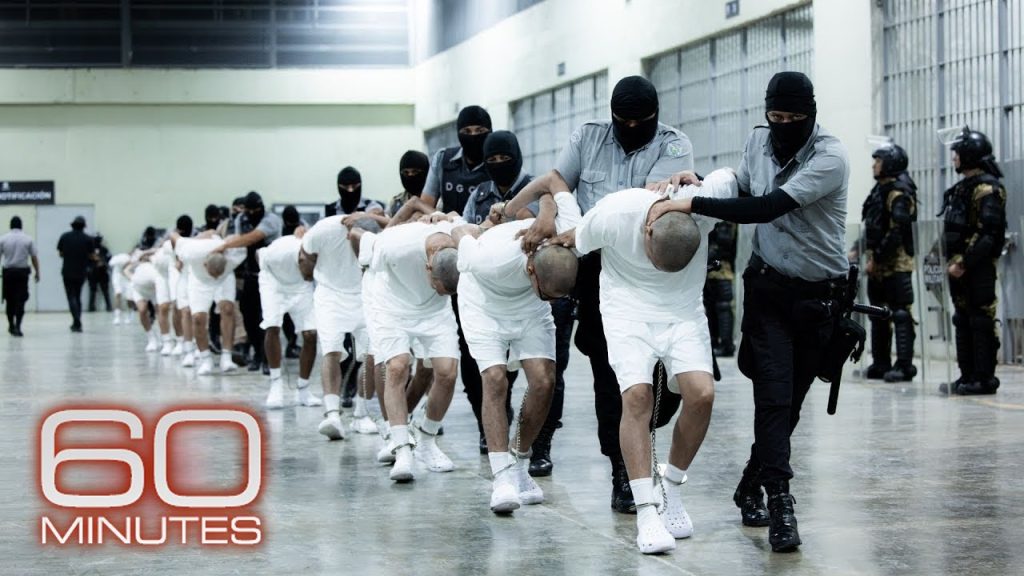
Acting Immigration and Customs Enforcement Director Todd Lyons stated during an interview with Rob Schmitt on “Rob Schmitt Tonight” that a recently withdrawn segment from “60 Minutes” falsely portrayed U.S. immigration enforcement practices regarding the deportation of Venezuelan migrants to El Salvador’s CECOT prison. The segment, which aired Sunday but was later pulled, suggested the individuals were improperly detained despite only having entered the United States illegally.
Lyons emphasized that the deportations involved people who were either known or suspected gang members, had committed crimes in the U.S., or remained unlawfully present. He clarified that these individuals could not be returned to Venezuela at the time due to the Maduro government’s refusal to accept them.
“The system we have is a third-country national process,” Lyons explained, noting that ICE does not randomly select individuals for deportation. He rejected claims that migrants were labeled gang members solely because of tattoos, stating that such determinations rely on decades of intelligence practices and criminal investigations.
“This is my fifth time working under a different administration,” Lyons added. “Gang intelligence has been our standard for a long time—it’s based on solid criminal intelligence and investigative work.” He affirmed that ICE enforces the Immigration and Nationality Act as written, saying criticism often intensifies when the agency carries out its mission.
Host Rob Schmitt criticized mainstream media outlets for prioritizing the El Salvador deportation story while neglecting child sex trafficking linked to U.S. border policies under the Biden administration. Lyons agreed, citing a recent ICE raid in California that uncovered underage labor trafficking at a marijuana grow operation. “We were out there with a criminal warrant and found children working underage,” he said. “But nobody covered that.”
Lyons stressed that ICE will continue its enforcement efforts regardless of political or media pressure: “We’re not going to let stuff like this stop us.”