Trump Moves Marijuana from Schedule I to III, Opens Research Pathways Amid Youth Health Concerns
Senator Bill Cassidy of Louisiana stated on Friday that President Donald Trump’s executive order to reclassify marijuana represents a necessary step to expand legitimate medical research while maintaining concerns about youth use and mental health.
As a physician, Cassidy told “The Chris Salcedo Show” that he agreed with the president’s decision to fast-track the review of marijuana’s federal classification, which could shift it from Schedule I to Schedule III under the Controlled Substances Act.
“I agree with the president’s stand,” Cassidy said. “One, we need to have research in it.”
Marijuana is currently classified as a Schedule I substance—a category reserved for drugs deemed to have no accepted medical use and a high potential for abuse, such as heroin and LSD. Reclassifying it to Schedule III would place it alongside substances like cocaine and many opioids that have recognized medical applications and would significantly reduce barriers to federally approved research.
Cassidy emphasized the importance of studying marijuana’s impact on young people. “There’s an association of heavy marijuana use with serious mental illness in young men that needs to be studied more fully,” he said, adding that such research is more feasible if marijuana is no longer treated as a Schedule I drug.
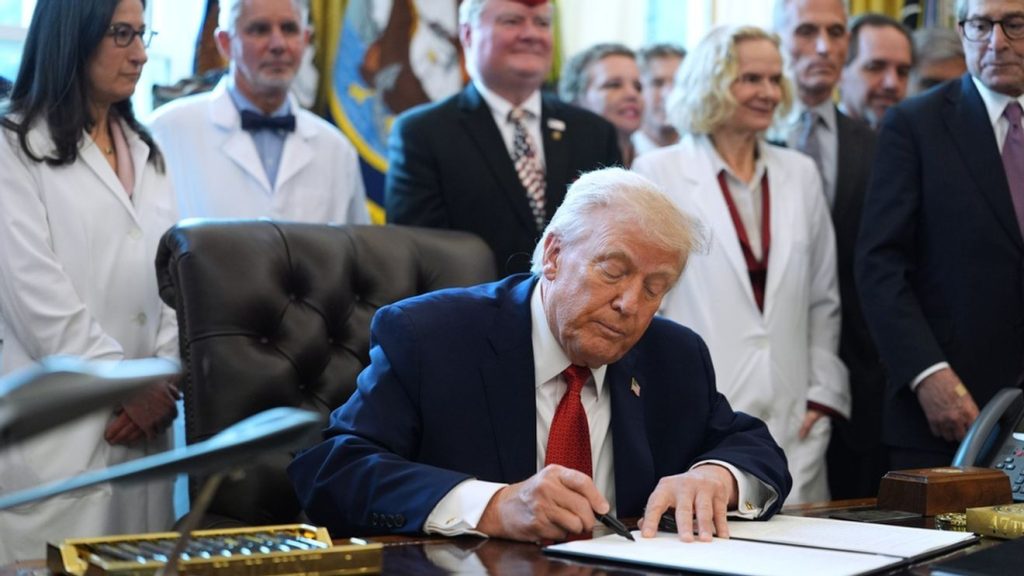
The executive order, signed Thursday, directs federal agencies to accelerate the review process that could open new pathways for Food and Drug Administration-approved studies. This move marks a significant shift in federal drug policy and comes as public support for marijuana reform, particularly among younger voters, continues to grow.
Cassidy supported limited medical use when evidence shows a clear benefit. He cited a personal account from a former Republican colleague: “I once had a good Republican congressman tell me about his daughter treated for melanoma. She had lots of vomiting associated with the chemotherapy, and the regular medicine didn’t work, but THC did.”
However, Cassidy cautioned that not all claims of medical marijuana are legitimate. “Sometimes medical marijuana is just a charade to push it out on the streets,” he said. “I don’t agree with that.”
He stressed his support is narrowly focused: “For the isolated use of medical marijuana? Yes. For the research into it? Yes.”