Trump Backs Russia Sanctions Measure as Congress Battles Ukraine War Deadlines
President Donald Trump has publicly endorsed a long-stalled bipartisan sanctions bill targeting Russia and foreign nations that purchase its discounted energy exports, but the measure’s path forward in Congress remains uncertain.
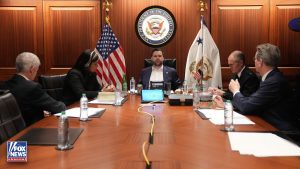
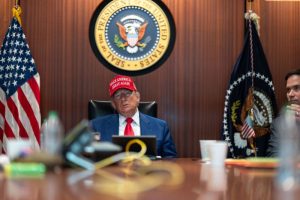
Senator Lindsey Graham of South Carolina stated Wednesday following a White House meeting that Trump “greenlit” legislation he has been working on with Senator Richard Blumenthal of Connecticut and numerous other senators. Graham described this development as critical for pressuring Moscow over its nearly four-year war in Ukraine.
A White House official confirmed Trump’s support for the proposal, which would impose steep tariffs on countries continuing to buy Russian oil and other energy products. This action would give Washington leverage to influence nations such as China, India, and Brazil.
Despite having more than 80 Senate co-sponsors, the bill has languished in both chambers of Congress as lawmakers prioritize government funding deadlines and other legislative matters.
Several House Republicans, including Rep. Brian Fitzpatrick of Pennsylvania, have expressed frustration with the delay and are considering a discharge petition to force a floor vote. “At this point, I’m growing very frustrated,” Fitzpatrick said, urging action to “strangle their economy” and push Russia to negotiate an end to the war.
Complicating efforts to advance the bill, some Democrats remain uneasy about punitive tariffs, and lawmakers are disputing procedural questions regarding whether revenue-related provisions must originate in the House. These disagreements have contributed to the legislative impasse.
Republican leaders, including House Speaker Mike Johnson of Louisiana and Senate Majority Leader John Thune of South Dakota, have not yet scheduled votes on the legislation. Both chambers are racing to complete annual appropriations bills ahead of a January 30 government funding deadline.
The sanctions measure — part of the broader Sanctioning Russia Act of 2025 introduced last year — would grant Trump expanded authority to impose tariffs and other economic penalties on Russia and nations that support its war machine through energy purchases.
White House allies contend the bill strengthens U.S. leverage over Russia, while critics warn that aggressive tariffs could complicate diplomatic engagement and global economic relations. The Kremlin has condemned the proposal as escalatory.
With no vote scheduled, lawmakers on both sides of the aisle are monitoring developments as tensions over the Ukraine war persist and global energy markets remain volatile.