The Silent Tax on Your Wallet: How Social Security Borrowing Could Trigger Inflation
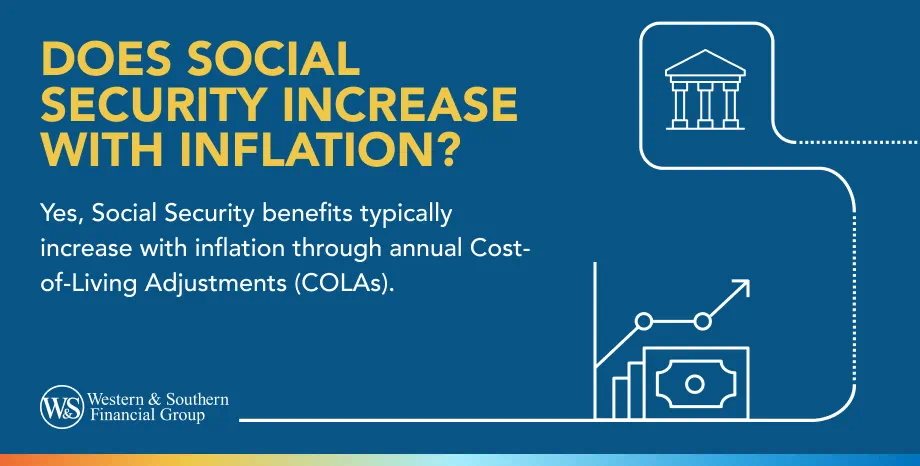
The U.S. government faces a critical decision as the Social Security and Medicare trust funds approach exhaustion in the early 2030s. When these funds run out, the law mandates reductions of approximately 24% for Social Security checks and 11% for Medicare benefits.
However, Congress is likely to avoid such cuts by borrowing money to cover shortfalls. This approach would prevent immediate political backlash from spending cuts or tax hikes. The appeal of this strategy lies in its apparent simplicity: it avoids unpopular votes and delays the consequences until voters have forgotten about the issue.
What many overlook is that these consequences could emerge quickly. Inflation may not wait for debt levels to rise; it can appear immediately following Congress’s commitment to borrowing for entitlements.
According to the Congressional Budget Office, borrowing to cover Social Security and Medicare shortfalls would push federal debt to 156% of GDP by 2055, representing a shortfall of about $116 trillion over three decades. Despite this level of debt, current projections assume inflation remains low for decades and interest rates rise only gradually.
Government debt functions similarly to shares in a company: its value depends on investor confidence in future primary surpluses — revenue minus spending, excluding interest. When that confidence wanes, markets react immediately, often through rising prices. This pattern was evident between 2020 and 2022 when Congress approved $5 trillion in debt-financed spending without a clear repayment plan. Households received stimulus checks and spent them quickly, expecting no tax hikes or service cuts.
They were correct: the post-pandemic era did not bring austerity. Inflation followed as investors lost confidence in the government’s ability to repay. By 2022, when inflation peaked at 9%, federal debt had effectively fallen from about 10% of GDP due to higher prices.
Voters reacted negatively to this inflation and made it clear during the 2024 elections. The upcoming Social Security and Medicare deadline could trigger an even stronger reaction. Senators elected this year might be tempted to borrow entirely to preserve benefits without meaningful reform or spending controls.
If investors lose confidence immediately, prices could rise faster than official forecasts suggest — potentially almost instantly. This would not stem from the debt’s size (which is already substantial) but from a lack of trust in the government’s plan.
The Federal Reserve would then face an impossible choice: raise interest rates to combat inflation and increase borrowing costs on existing debt, or risk triggering deeper fiscal crisis by tolerating higher inflation.
Either outcome would carry severe consequences. Inflation is a silent, unvoted-on tax that erodes savings, pensions, and fixed incomes. It harms retirees who relied on safe assets, squeezes workers with stagnant wages, and forces families to spend more on essentials like groceries, rent, energy, and healthcare. It also distorts the economy by favoring speculation over productive investment.
This is the most painful method for financing government promises. Legislators understand this but reform remains difficult. The temptation to borrow and avoid immediate political conflict may lead to a situation where inflation breaks out under their watch. The consequences will not be postponed, nor will accountability.
As in 2021, voters will pay first, and then they will assign blame.