San Francisco Mayor Daniel Lurie Faces Outcry for Signing Reparations Bill Days Before Christmas
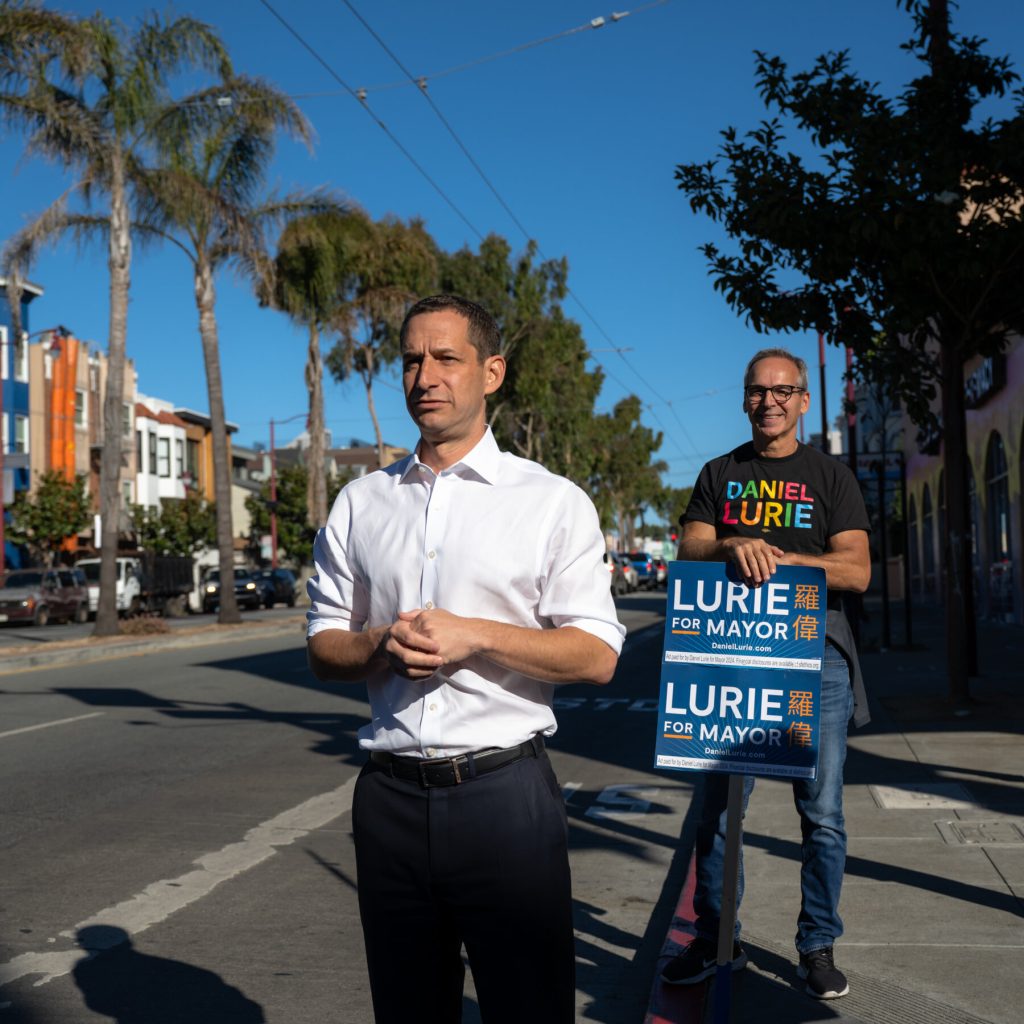
San Francisco Mayor Daniel Lurie is facing criticism after signing the city’s reparations ordinance just days before Christmas, a move opponents say was deliberately timed to avoid public scrutiny. The ordinance establishes a framework and dedicated fund intended to address what city leaders describe as historical systemic harms against Black residents.
While the measure does not immediately allocate taxpayer dollars, it lays the legal groundwork for future funding—public or private—tied to sweeping reparations proposals stemming from a 2023 report by the African American Reparations Advisory Committee. The committee outlined more than 100 recommendations, including potential lump-sum payments of up to $5 million for eligible residents, debt forgiveness, city-subsidized homes offered for as little as $1, and a guaranteed annual income approaching $97,000.
Critics argue the mayor’s decision to sign the bill during the holiday season was a calculated effort to minimize backlash over a policy many view as divisive and financially unrealistic. The signing has intensified concerns about transparency and accountability in a city already grappling with deep fiscal problems. Lurie defended the move by noting San Francisco’s worsening financial outlook, including a projected $1 billion budget deficit that makes immediate funding impossible. His office emphasized the ordinance merely creates structure without committing taxpayer money, suggesting private donations could eventually support reparations initiatives.
Watchdogs warn the framework signals a major policy shift with potentially massive financial consequences. A 2023 analysis from the Hoover Institution estimated that the reparations proposals, if fully implemented, could cost nearly $600,000 per non-African American household in San Francisco. Skeptics also point to the city’s troubled track record with similar initiatives, noting the “Dream Keeper Initiative”—another race-based funding program—has faced allegations of mismanagement and cronyism, raising concerns that reparations funds could follow a comparable path. Even some supporters have voiced doubts, with the local NAACP previously criticizing the $5 million figure as arbitrary and warning that advancing a broad reparations framework without public debate could raise false expectations among residents.