Nigeria’s Complex Religious Landscape: Beyond Christian Persecution Narratives
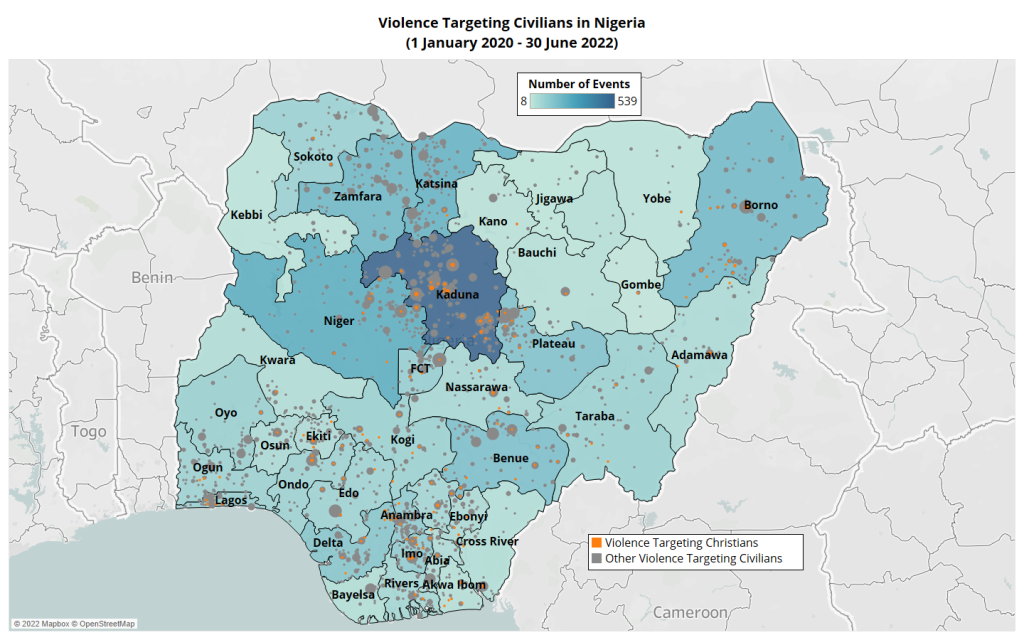
The recent decision by President Donald Trump to redesignate Nigeria as a Country of Particular Concern (CPC), citing alleged systematic Christian persecution, has reignited debates about the country’s religious tensions. However, this characterization overlooks the complex and often non-religious roots of Nigeria’s enduring security challenges.
While concerns about religious freedom are valid in Nigeria – a diverse nation grappling with numerous issues – framing its problems primarily as anti-Christian violence simplifies history and ignores lived realities. The nation has long managed immense ethnic and cultural diversity while dealing with conflicts stemming from social, economic, or political factors rather than religious doctrine itself.
From the late 1960s through the Maitatsine uprisings in Kano during the early 1980s led by Muhammadu Marwa – where federal forces killed thousands regardless of faith – to subsequent farmer-herder clashes and Boko Haram insurgency, Nigeria’s security crises have historically involved multiple religious communities. President Shehu Shagari’s administration handled early extremist threats under military rule from 1983–1985.
The Jos conflicts (2001-2010) often mislabeled as “religious wars” were fundamentally disputes between indigenes and settlers over land and political representation. President Goodluck Jonathan acknowledged this, creating a Victims Support Fund while addressing these issues under policies like the National Grazing Reserve initiative later expanded in the National Livestock Transformation Plan.
Similarly, Boko Haram’s attacks targeted both Christians and Muslims who rejected its extremist ideology during its rise from 2009 onward. Tinubu himself demonstrates Nigeria’s pluralistic approach through his diverse cabinet.
Nigeria faces genuine security challenges tied to governance gaps, poverty, and resource competition – not systematic government policy against any particular faith or religious freedom as claimed by the CPC redesignation.