Minnesota Governor Walz Faces Federal Scrutiny Over Alleged Fraud as Congress Demands Answers
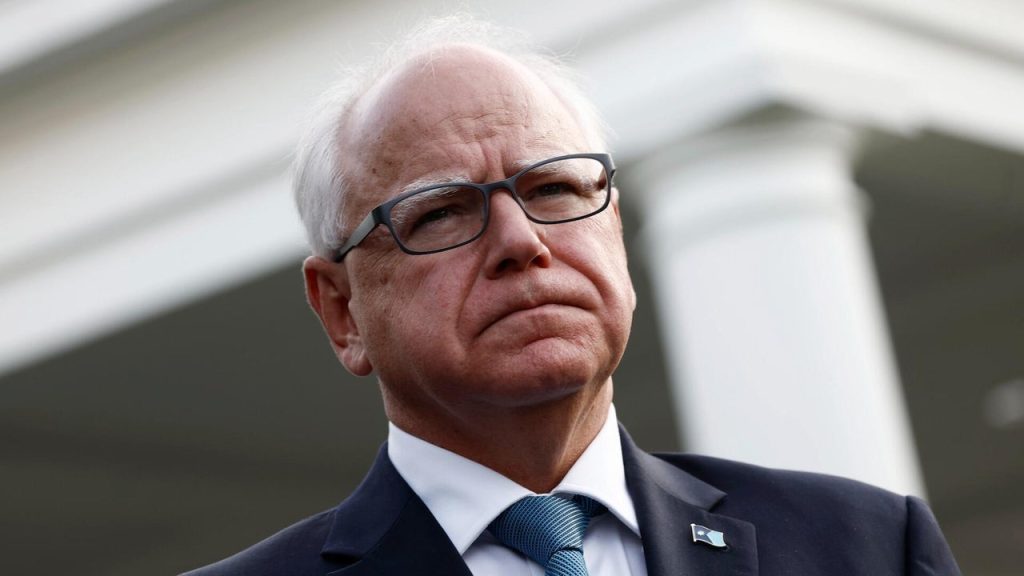
House Oversight and Government Reform Committee Chairman James Comer, R-Ky., demanded answers Monday from Minnesota Governor Tim Walz after the state’s Democratic leader announced he will not seek reelection in 2026. The decision comes amid federal prosecutors’ and congressional Republicans’ focus on alleged widespread fraud across state-administered social service programs.
Comer stated his committee has ordered Walz, a Democrat, to appear at a public hearing on February 10 as lawmakers investigate suspected misuse of public funds linked to multiple benefit and Medicaid-related programs. Comer also called for Minnesota Attorney General Keith Ellison to testify.
“Though Tim Walz is not running for governor again, he cannot run from accountability,” Comer said. “The American people deserve answers, and they deserve them now.”
Walz confirmed Monday that he will not seek a third term, citing his inability to balance a statewide campaign with governing as Minnesota confronts fallout from major fraud allegations and broader concerns about oversight. Walz has served as governor since 2019 and previously represented Minnesota in Congress. He gained national attention as the Democratic vice presidential nominee in 2024.
The House investigation follows federal prosecutions that began with the “Feeding Our Future” case, where defendants were accused of exploiting a federal child nutrition program during the pandemic. Prosecutors alleged tens of millions of dollars intended to feed children were diverted through false claims and phony meal sites. This case has led to a sweeping set of charges, guilty pleas, and convictions, becoming a political flashpoint in Minnesota and nationally.
More recently, federal authorities and state auditors have identified potential fraud risks far beyond the initial case. First Assistant U.S. Attorney Joe Thompson said investigators are reviewing 14 Medicaid services deemed high risk for fraud by the state. These programs have involved billions of dollars in billings since 2018, with suspected fraud amounts potentially reaching $9 billion or more as audits and prosecutions expand.
Comer’s committee requested documents, internal communications, and records from Walz and Ellison related to the alleged fraud. The chairman also asked the Treasury Department for Suspicious Activity Reports (SARs) to trace potential money laundering and other financial crimes connected to the schemes. Additionally, the committee sought transcribed interviews with Minnesota officials to understand how the alleged misconduct persisted.
Comer previously announced a separate committee hearing scheduled for Wednesday featuring testimony from Minnesota Republican state lawmakers who have been investigating public assistance fraud. Walz’s office did not immediately respond to Comer’s demand for testimony. Ellison’s office has also not publicly committed to appearing before the committee.
The congressional inquiry sets up a high-profile clash between House Republicans and Minnesota’s Democratic leadership as prosecutors continue to bring new cases and the state’s political landscape begins to take shape ahead of the 2026 midterm elections.