Minnesota Court Hearing Puts ICE’s Immigration Crackdown Under Scrutiny
By Alex Johnson | Wednesday, 28 January 2026
A federal court hearing scheduled for Friday is poised to become a pivotal test of President Donald Trump’s immigration enforcement strategy in Minnesota. Chief U.S. District Judge Patrick Schiltz has ordered Todd Lyons, acting director of Immigration and Customs Enforcement (ICE), to appear in person and explain why the agency has failed to comply with at least one court order.
In a sharply worded filing, Schiltz warned that he is considering contempt charges after what he described as repeated government assurances that did not resolve the violations.
“This court has been extremely patient with respondents,” Schiltz wrote. “Even though respondents decided to send thousands of agents to Minnesota to detain aliens without making any provision for dealing with the hundreds of habeas petitions and other lawsuits that were sure to result, the court’s patience is at an end.”
The immediate issue arose from a case involving an immigration detainee whose lawyers claimed ICE missed a court deadline for a bail hearing. In response, immigration authorities released the man from custody, raising questions about whether the order compelling Lyons’ appearance will be enforced or reinterpreted in light of broader compliance concerns.
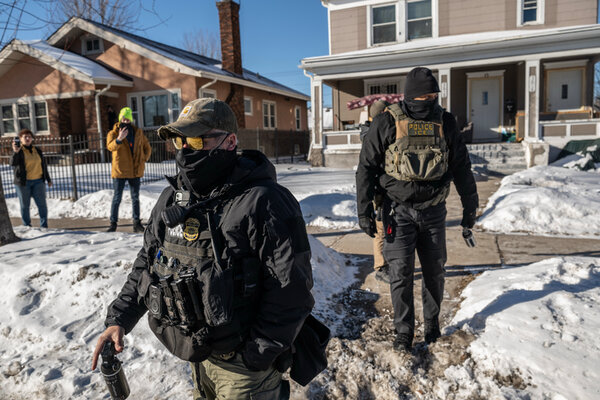
Even if this specific case changes, the stakes extend far beyond one individual. Minnesota officials and civil rights groups have mounted multiple legal challenges to Operation Metro Surge, a large-scale deployment of federal immigration personnel in the Minneapolis-St. Paul area.
State Attorney General Keith Ellison, alongside Minneapolis and St. Paul city officials, filed suit last month seeking to halt the operation, arguing it violates constitutional limits and improperly burdens local governments. The American Civil Liberties Union of Minnesota has also initiated litigation, alleging unlawful stops and arrests, including claims of racial profiling.
Federal authorities have defended Operation Metro Surge as lawful immigration enforcement, asserting they are targeting public safety threats and using the surge to advance nationwide detention and removal policies.
The hearing occurs amid heightened tensions following deadly encounters involving federal officers. In one incident, Minnesota authorities sought a court order preventing federal agencies from altering or destroying evidence related to the fatal shooting of Alex Pretti in Minneapolis. A federal judge recently issued a temporary restraining order requiring preservation of evidence while the dispute is resolved.
Schiltz’s contempt warning could have significant implications for judicial enforcement power. A finding of contempt might carry penalties and court-mandated corrective actions, or signal that judges will tighten oversight of detention practices, court deadlines, and government communications with the judiciary.