Measles Outbreaks Threaten U.S. Elimination Status as Health Officials Urge Vaccines Amid Rising Distrust
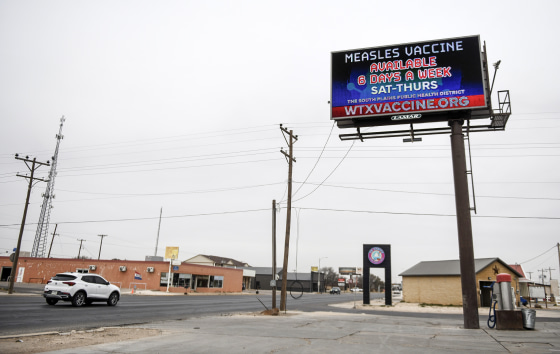
A leading U.S. health official urged people to get vaccinated against measles on Sunday as outbreaks spread across multiple states and the United States risks losing its measles elimination status.
Dr. Mehmet Oz, the Centers for Medicare and Medicaid Services administrator, stated: “Take the vaccine, please.” He defended recent revisions to federal vaccine recommendations and past comments by President Donald Trump and Health Secretary Robert F. Kennedy Jr. regarding vaccine efficacy.
Oz emphasized that measles is a disease requiring vaccination: “Not all illnesses are equally dangerous and not all people are equally susceptible to those illnesses. But measles is one you should get your vaccine.”
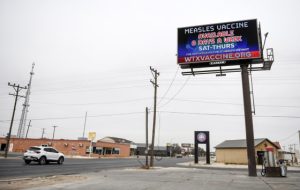
Recent outbreaks in South Carolina have exceeded the recorded cases from Texas’s 2025 outbreak, with additional cases reported along the Utah-Arizona border. These incidents primarily affect children, as infectious disease experts warn that growing public distrust of vaccines contributes to the spread of a disease once declared eradicated.
When asked whether people should fear measles, Oz replied: “Oh, for sure.” He noted that Medicare and Medicaid will continue to cover the measles vaccine as part of insurance programs. “There will never be a barrier to Americans getting access to the measles vaccine. And it is part of the core schedule.”
Oz also stated that Kennedy has been at the forefront of advocating for measles vaccines. During an interview with Kennedy, questions about vaccines were not addressed in his discussion of Super Bowl snacks or morning meals such as steak with sauerkraut.
Critics have argued that Kennedy’s long-standing skepticism about U.S. vaccine recommendations and past support for unfounded claims linking vaccines to autism may influence public health guidance contrary to medical consensus.
Oz maintained that Kennedy’s stance supports measles vaccination, citing a specific example: “When the first outbreak happened in Texas, he said get your vaccines for measles because that’s an example of an ailment you should be vaccinated against.”
The Republican administration recently revised federal vaccine recommendations for children following President Trump’s request to review how peer nations approach vaccination guidelines. States hold authority over school vaccinations, though federal guidance often shapes state policies. Some states are forming alliances to counter the administration’s vaccine guidance.
Federal data shows declining U.S. vaccination rates and record-high numbers of children with exemptions, coinciding with rising cases of measles and whooping cough.
Oz’s comments reflect a broader pattern among administration officials expressing contradictory statements about vaccine efficacy during the overhaul of U.S. public health policy. Officials have walked a fine line by criticizing past vaccine policies while appearing to align with anti-vaccine conspiracy theories without straying from established science.
During a Senate hearing, NIH director Jay Bhattacharya stated that no single vaccine causes autism but did not rule out potential negative side effects from combinations of vaccines. In contrast, Kennedy has argued in Senate testimony that a link between vaccines and autism remains unproven. He previously claimed that thimerosal, a mercury-containing preservative in some vaccines, may cause childhood neurological disorders such as autism. Most measles, mumps, and rubella vaccines do not contain thimerosal. A federal vaccine advisory board overhauled by Kennedy last year voted to no longer recommend thimerosal-containing vaccines.
Administration officials cite the need to restore public trust in health systems following the coronavirus pandemic, when vaccine policy became highly polarized in American politics. Misinformation spread during this period, and anti-vaccine activist groups saw increased public interest. Kennedy, who led the Children’s Health Defense organization for years, has faced criticism for ordering reviews of vaccines and public health guidelines that medical research groups consider settled science.
Public health experts have also criticized President Trump for making unfounded claims about vaccine-related issues. During a September Oval Office event, Trump asserted without evidence that Tylenol and vaccines are linked to an increase in autism cases.