Justice Department Moves to Challenge Dismissal of Cases Against Key Trump Critics
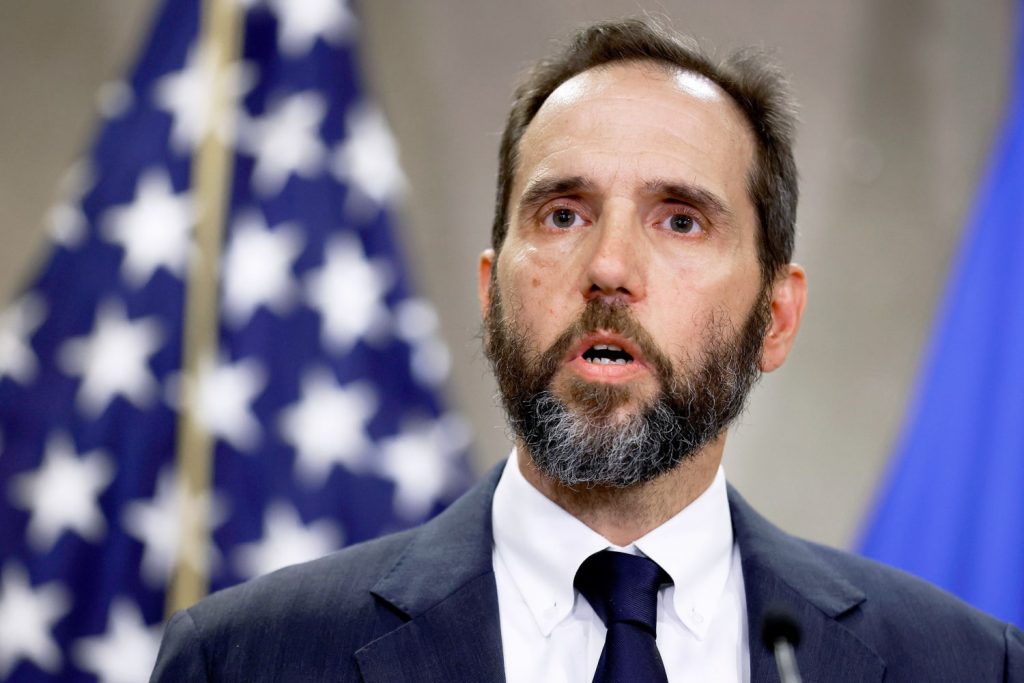
The Justice Department has announced plans to appeal federal court rulings that dismissed criminal cases against New York Attorney General Letitia James and former FBI Director James Comey. The decision follows judicial dismissals of both cases on procedural grounds, creating legal barriers for prosecutors seeking to retry charges against two individuals President Donald Trump has consistently described as political adversaries.
White House press secretary Karoline Leavitt confirmed the appeal in public remarks, stating the administration believes the dismissals were erroneous and that the Justice Department is acting within its authority to seek review. Leavitt emphasized the government rejects claims of retaliation and described the appeals as essential for maintaining accountability and equal application of the law.
Prosecutors charged James with bank fraud and false statements related to mortgage disclosures in federal court records. A judge dismissed the indictment after ruling that the interim U.S. attorney who prosecuted the case was improperly appointed, thereby invalidating the charges without addressing their substance. James has been characterized by Trump and his supporters as a political opponent due to her vocal opposition throughout her campaigns. As New York attorney general, she initiated a civil fraud lawsuit against Trump and his company, repeatedly accusing him of criminal conduct—a stance Trump claims was driven by partisan motives rather than evidence.
Trump highlighted that James pledged to “get Trump” during her campaign, which supporters interpret as evidence she compromised neutrality for political targeting. The Justice Department contends that the dismissal allowed procedural technicalities to obscure potential misconduct from judicial review.
In the Comey case, prosecutors alleged false statements and mishandled records by the former FBI director after his departure from government. A judge dismissed the charges because key evidence was improperly retained without a valid warrant and parts of the case may have exceeded the statute of limitations. Comey has long been viewed by Trump supporters as an emblem of institutional bias against him, particularly for his role in the 2016 Russia investigation. As FBI director, he authorized investigations that Trump later claimed were based on unverified claims and political narratives.
Trump dismissed Comey in 2017, citing loss of confidence—a move that triggered years of inquiries and positioned Comey as a leading critic of the former president. Comey’s subsequent memoir and public statements portrayed Trump as unfit for office, reinforcing perceptions among supporters that he acted as a political adversary rather than an impartial official.
Justice Department officials argue that allowing such dismissals to stand would establish a precedent where procedural errors prevent prosecutions of powerful figures unrelated to their guilt or innocence. They assert the appeals aim to clarify appointment authority and preserve the government’s capacity to pursue cases involving senior public figures. Legal representatives for James and Comey have accused the administration of politicizing the Justice Department, claims the White House has rejected.
Trump allies contend the appeals signal a departure from previous patterns where investigations targeting Trump advanced rapidly while scrutiny of his critics often stalled or collapsed. The appellate court is scheduled to set a briefing timeline in the coming weeks.