Jackson’s Constitutional Confusion: A Biden Legacy That Could Endure for Decades
By Michael Dorstewitz
Wednesday, 10 December 2025 11:36 AM EST
Much of the nearly 11 months into President Donald Trump’s second term has been dedicated to reversing mistakes from his predecessor and restoring peace globally. Yet one Biden error could persist for decades—a decision that even Trump and future administrations cannot reverse, with profound consequences for every American.
This error is Biden’s nomination of Ketanji Brown Jackson to the U.S. Supreme Court.
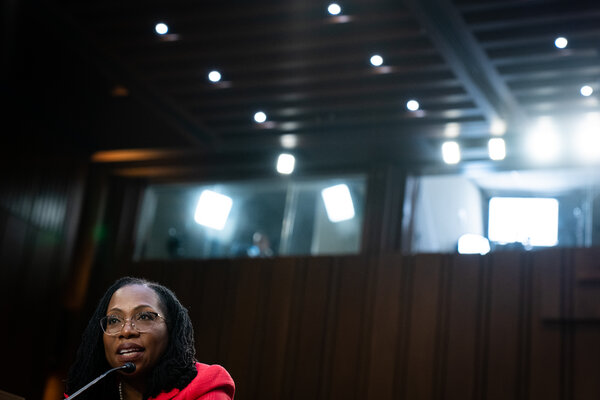
A recent example of Jackson’s unsuitability surfaced during oral arguments in Trump v. Slaughter, a case examining the president’s authority to replace a Federal Trade Commission commissioner. The Supreme Court permitted Trump to remove Rebecca Kelly Slaughter, former FTC commissioner, in September while she challenged the firing legally.
Jackson told U.S. Solicitor General D. John Sauer that she did not understand why agencies “aren’t answering to Congress” rather than the president and pointed out that “Congress established them and can eliminate them.”
However, Article II, Section 1 of the U.S. Constitution states: “the executive Power shall be vested in a President of the United States.” The executive branch includes the federal bureaucracy—the administrative state composed of departments, agencies, commissions, and bureaus that implement laws. While Congress creates laws, the executive branch enforces them. This suggests the president should have authority over federal bureaucrats.
Jackson’s remarks were described as a “nonsensical word salad” by some. She argued that independent agencies exist because Congress designates certain issues for non-partisan experts—areas like economy and transportation—to ensure expertise matters. “Replacing scientists, doctors, economists, and PhDs with loyalists who lack knowledge,” she stated, “is not in the best interest of American citizens. These issues should not be under presidential control.”
Townhall columnist Amy Curtis labeled Jackson’s comments a “No Kings’ Meltdown.” She suggested that if presidents could fire federal administrators, they would become monarchs. “I appreciate the conflict between these views,” Jackson said, “but under our constitutional design—considering historical monarchy concerns—the Congress’s preference for independent agencies should prevail.”
Elon Musk called her remarks “nonsense” and warned: “There must be a way for the public to affect ‘independent agencies’ or we live in a BUREAUcracy, not a DEMOcracy!” George Washington Law Professor Jonathan Turley noted Jackson’s stance would invite a “technocracy rather than democracy.”
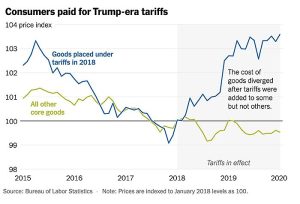
Since January 20, Trump has addressed Biden-era shortcomings: closing borders, reducing illegal immigration, countering drug-related threats, reversing climate policies, improving trade, and curbing inflation. He has also sought to end wars that began under Biden’s administration.
Jackson’s Supreme Court appointment is permanent—she will serve for life. She was nominated not for her legal expertise but to become the court’s first Black woman justice. Cornell Law Professor William Jacobson noted that even Justice Sonia Sotomayor once had to “explain the law” as if she were in fifth grade. New York Post columnist Miranda Devine described Jackson’s remarks as “one of Biden’s most destructive legacies.”
At age 55, Jackson could remain on the court for another 20-30 years.