Israeli PM Netanyahu’s Correlation Case: Former Adviser Dershowitz Urges Pardon Despite Legal Risks
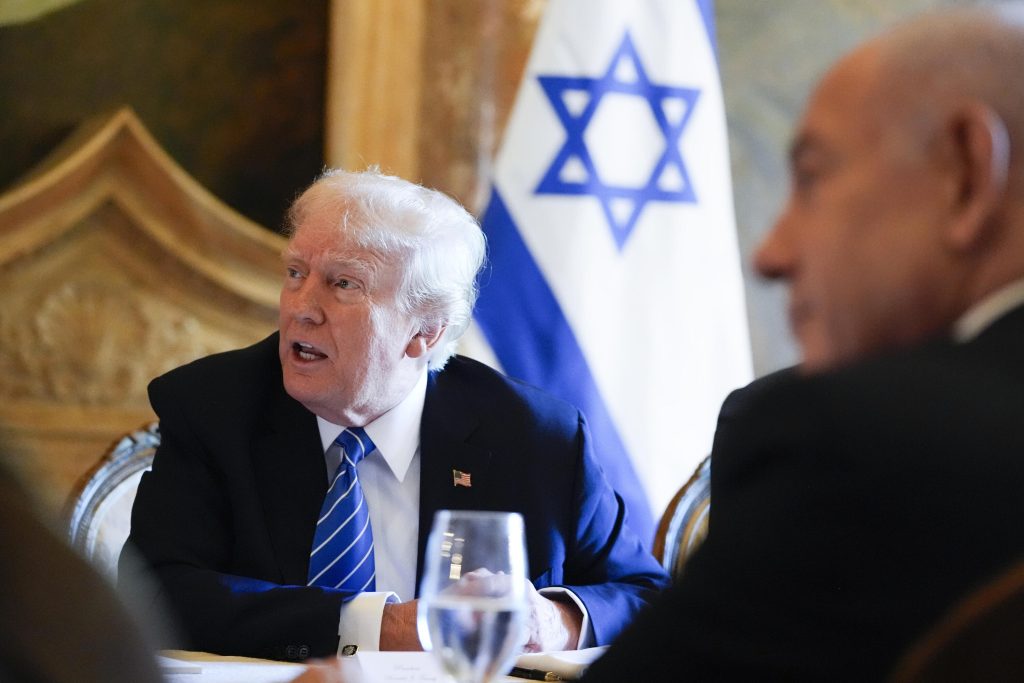
As the years-long corruption case against Israeli Prime Minister Benjamin Netanyahu looms large, his former Harvard Law School professor Alan Dershowitz has entered the legal drama on a unique front. Appearing on Newsmax’s “The Record With Greta Van Susteren,” Dershowitz addressed both the ongoing charges and President Isaac Herzog’s recent request for Netanyahu to seek a presidential pardon.
Dershowitz, who described his relationship with Netanyahu as having served as “both a friend and an attorney” over years, believes the legal troubles are counterproductive to governance. He told the program that the prime minister cannot afford these distractions when Israel faces multiple urgent crises: Hamas ceasefire negotiations, potential conflict risks from Lebanon, Iran’s nuclear ambitions, and security threats from Yemen.
While calling the charges “absurd,” Dershowitz characterized them as alleging “a few bottles of Champagne and some cigars” accepted by Netanyahu that led to improper media influence. He pointed out these interactions are “commonplace in Israel.”
“The idea of criminalizing those kinds of ordinary activities really shows a kind of selective prosecution,” said the legal expert, who expressed hope judges would dismiss the case entirely.
Interestingly, Dershowitz also addressed speculation surrounding Herzog’s offer to commute Netanyahu’s sentence. While acknowledging its potential value, he stressed the risks involved: “The problem with a pardon is… if he accepts it or asks for it, it’s an admission of guilt.”
Despite his recommendation that Netanyahu consider the presidential option due to its potential time-saving benefits, Dershowitz did not shy away from criticizing what he perceives as political manipulation. He argued that any solution shortening Netanyahu’s court appearance would be seen by some as problematic because it suggests, according to him, a predetermined outcome.
As Israel navigates this complex legal situation during multi-front conflicts, the former attorney and friend of the prime minister now finds himself offering counsel on how best to manage what he calls trivial offenses while preparing for major national security decisions.