Indiana Senate Rejects GOP Redistricting Proposal in Unprecedented Move
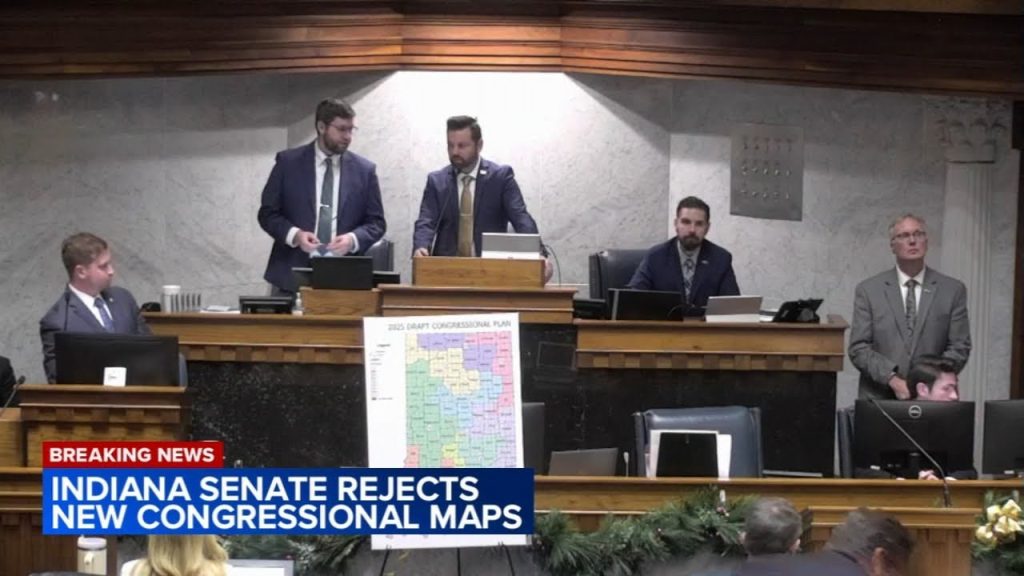
Indiana state Senator Liz Brown (R-Fort Wayne) said during an interview with Bob Brooks that she was “devastated” by her colleagues’ decision to reject a House-backed congressional redistricting plan.
Analysts were confident the plan could have granted Republicans as many as two additional U.S. House seats in the 2026 midterms.
The Indiana Senate voted 31-19 earlier Thursday to defeat the map, with twenty-one Republicans joining all ten Democrats to block a proposal that would have dismantled the state’s two Democrat-held districts.
The move delivered an unexpected setback for President Donald Trump, who publicly urged lawmakers to adopt the plan amid a nationwide redistricting push by GOP-led states.
Brown said she was still “processing” the outcome of the Senate vote, calling it unlike anything she had seen in her time in office.
“It was devastating. That’s all I can say. I have never seen anything like it,” she said.
Brown noted that Indiana is one of the nation’s most reliably Republican states, having backed Trump in three straight presidential elections while maintaining supermajorities in both legislative chambers and a Republican governor.
Given that political reality, she said she cannot understand why Senate Republicans refused to advance a map passed by the GOP-controlled House.
“I just cannot believe in a state that is so red … we have 40 Republican senators and only 10 Democratic senators and a Republican governor, and the House passed it and we couldn’t get it done,” Brown said. “I can’t explain it.”
Some conservatives have suggested prominent Indiana Republicans — including former Governor Mitch Daniels and strategist Cam Savage — might have lobbied behind the scenes against redistricting.
Brown said she had no knowledge of such discussions.
“If they were, they didn’t talk to me,” she said, noting she supported the new map from the start.
Brown said she believes many GOP colleagues either misunderstood the stakes or were influenced by outside pressure.
“Some people just said, ‘We don’t need to do this. It will all work itself out,'” Brown said. “I don’t think they understand what this means, how thin our majority [in the House] is. … Democrats have been crushing us for years, and we finally poked our head out of the sand and realized we need to do this.
Our voices are being lost. It should have been such an easy vote.”