Greenland’s Overnight Ban on Rare Earths Erases Billions in Investment – A Western Security Risk
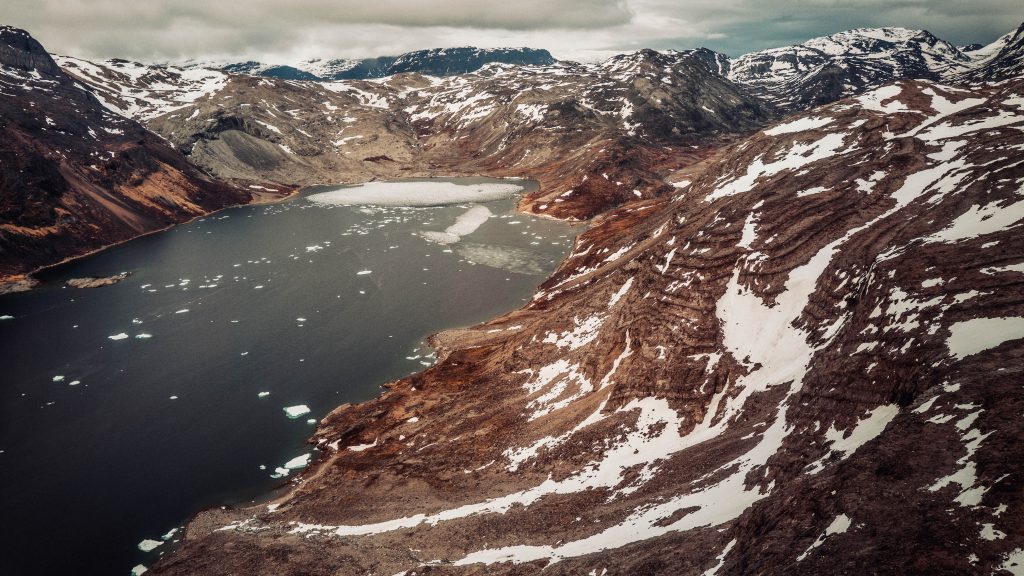
The Tanbreez rare earth minerals site rings a fjord, near Narsarsuaq, the gateway settlement to southern Greenland, on Monday, May 5, 2025. As ice melts due to climate change, Greenland's reserves of rare earths, gold, and diamonds are expected to become more accessible. Photographer: Carsten Snejbjerg/Bloomberg via Getty Images
By Duggan Flanakin
Thursday, 22 January 2026 07:07 AM EST
Greenland’s recent retroactive ban on rare earth mining has erased years of investment and undermined Western economic security.
For over a decade, Greenland has increasingly been recognized by policymakers, investors, and security analysts as strategically important due to its mineral resources, Arctic geography, and role in global supply chains. The nation’s growing significance stems from its potential to support advanced manufacturing, renewable energy, defense technologies, and international security.
In 2021, after a left-wing government took office, Greenland introduced regulations that retroactively banned rare earth development tied to naturally occurring elements—including uranium—amid efforts to appease environmental activists. This policy shift directly impacted Energy Transition Minerals’ operations at the Kvanefjeld site, one of the world’s largest untapped critical mineral deposits.
Energy Transition Minerals had invested tens of millions of dollars over years to secure regulatory approvals and complete comprehensive environmental assessments for the project. The company adhered strictly to all legal requirements and maintained compliance with Greenlandic authorities throughout its development process.
However, Greenland’s government revoked the company’s license within days of implementing new regulations—a decision that nullified contracts and seized property without due process. This action, driven by short-term political considerations, erased years of work and millions in investment.
The retroactive alteration of legal frameworks to address shifting political pressures undermines core principles of market economies: rule of law, contractual integrity, and property rights. When governments disregard these standards for political convenience, they erode trust in democratic systems and discourage responsible global investment.
Western nations have long emphasized supply chain security, economic resilience, and democratic norms. Greenland’s actions send a damaging signal that political expediency can override legal obligations, weakening Western credibility and incentivizing critical mineral production to jurisdictions with weaker regulatory oversight.
Blocking responsible mining in democracies does not eliminate global demand for rare earths but shifts production toward regions lacking transparency, accountability, and environmental safeguards—increasing risks of corruption and resource exploitation.
Greenland’s treatment of Energy Transition Minerals represents a direct challenge to the rule of law and Western economic principles.