Fed Deepens Divide as Rate Cut Debate Intensifies Over Inflation
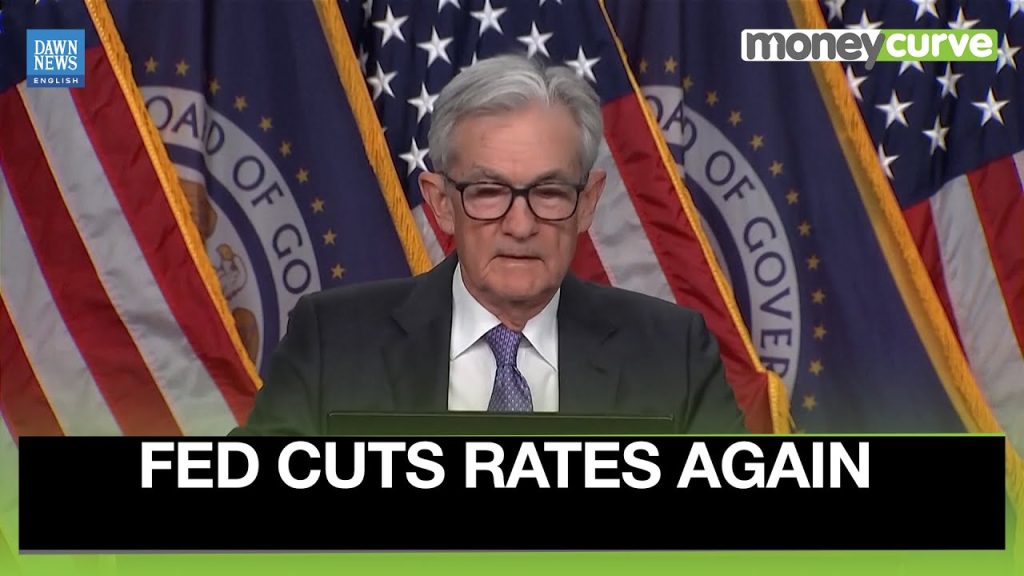
Chicago Fed President Austan Goolsbee, who recently voted against a Federal Reserve rate cut, stated he did so to secure more economy-related data. Speaking to CNBC, Goolsbee expressed discomfort with “front-loading too many rate cuts” while inflation remains stubbornly above the central bank’s 2% target and recent economic readings show no progress for months.
With the government shutdown delaying key economic reports, Goolsbee urged policymakers to await clearer evidence before easing rates again. He emphasized his optimism about significantly lower interest rates in 2026 but warned against assuming inflation will naturally decline. “I just want to make sure that if we believe this is transitory, let’s not put all our eggs in one basket,” he said during a segment on “Squawk Box.”
Goolsbee was among three Federal Open Market Committee members who dissented from the recent quarter-point rate cut, which reduced the benchmark to a range of 3.5% to 3.75 percent—representing the third consecutive reduction. Two dissenters, including Goolsbee and Kansas City Fed President Jeffrey Schmid, preferred maintaining rates steady.
Federal Reserve Governor Stephen Miran, a Trump appointee, favored a half-point cut instead. In a post on the Chicago Fed’s website, Goolsbee described the prudent approach as waiting for more information, particularly regarding inflation. He noted prices have remained above target for “four and a half years” and continue to be a top concern for businesses and consumers he encounters in the Midwest.
Schmid echoed these concerns in his statement, arguing that “inflation remains too high,” the economy still shows momentum, and current policy is only “modestly, if at all, restrictive”—a direct counter to calls for rapid, aggressive easing. The dissents highlight a growing split within the Fed between members worried about inflation becoming entrenched—especially services inflation—and those concerned about a weakening labor market beneath headline numbers.
Federal Reserve Chair Jerome Powell recently suggested job gains might be revised downward, an uncertainty Goolsbee acknowledged while noting that indicators such as layoffs and unemployment have remained “pretty stable.” The Fed has signaled it may pause rate cuts in the coming months, with official projections pointing to just one reduction next year—a stance that could frustrate President Donald Trump, who has called for sharper reductions in borrowing costs.
Trump also indicated he might name a new Fed chair when his term ends in May, potentially reshaping the policy debate. However, even within Trump’s economic circle, voices have emphasized patience. In recent interviews, top economic adviser Kevin Hassett declined to specify how many rate cuts he wants, stressing that policymakers must “watch the data.”