Farm Aid Boost: $12 Billion Plan Targets U.S. Agriculture Amid Trade Disruptions
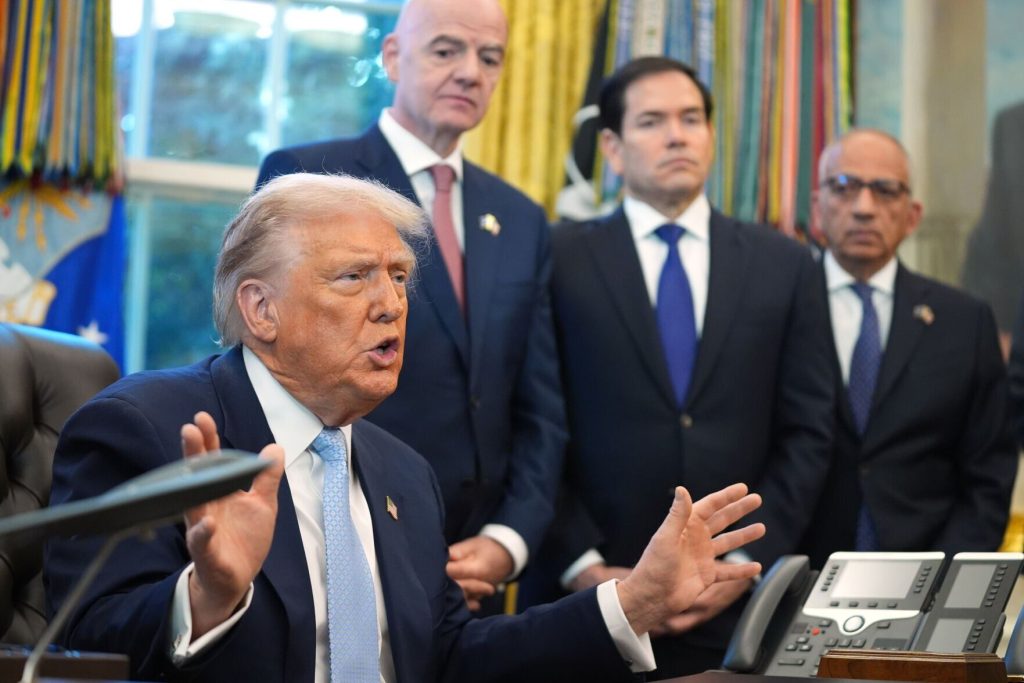
In a move aimed at providing relief to struggling American farmers, President Donald Trump announced a $12 billion farm aid package Monday as part of broader efforts to address economic pressures in the agricultural sector.
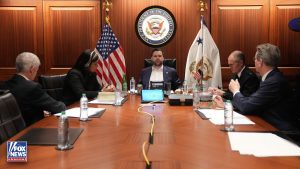
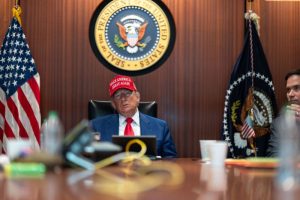
The announcement came during a White House meeting that included Treasury Secretary Scott Bessent and Agriculture Secretary Brooke Rollins. Trump emphasized that the funds would help provide certainty for farmers facing rising costs due to international trade tensions, particularly with China where recent tariff hikes have impacted crop exports.
Brooke Rollins stated that $11 billion is being allocated now while another portion remains reserved specifically for specialty crops. The aid targets farmers who cultivate row crops and other agricultural products affected by market disruptions linked to global trade disputes.
Soybean farmers, in particular, are feeling the strain from ongoing tensions with China—the world’s largest buyer of U.S. soybeans—which has led to reduced export opportunities during a period of heightened tariffs under Trump’s administration. Since late October, China has purchased approximately 2.8 million metric tons of U.S. soybeans despite earlier promises for higher volumes by administration officials.
The aid package is intended to offer one-time payments and support farmers navigating uncertain markets due to trade conflicts and inflation. A White House official noted that the initiative aims not only to stabilize current harvest sales but also to help plan for future crops amidst economic instability.
This assistance reflects growing pressure on American agriculture from global trade policies initiated under the current administration. Trump has faced scrutiny over decisions related to tariffs, which have raised concerns about affordability and market stability among farming communities. The White House is highlighting this as a measure to underscore his commitment to economic management following reports of voter anxiety regarding farm financial pressures.
Despite these measures, some farmers remain skeptical that such aid addresses fundamental issues like soaring operational costs or limited access to financing when sales opportunities dwindle due to trade disputes abroad or other disruptions. Caleb Ragland, president of the American Soybean Association, stressed the need for sustainable solutions rather than temporary relief from government support funds.
The economic strain has pushed some farmers toward drastic measures, such as selling non-essential farm equipment and seeking alternative income sources like trucking jobs—experiences shared by Ewoldt, an Iowa farmer with limited equity in his land holdings.