EPA Overhauls $2.3 Billion School Bus Program After Costly Electric Bus Shortfalls
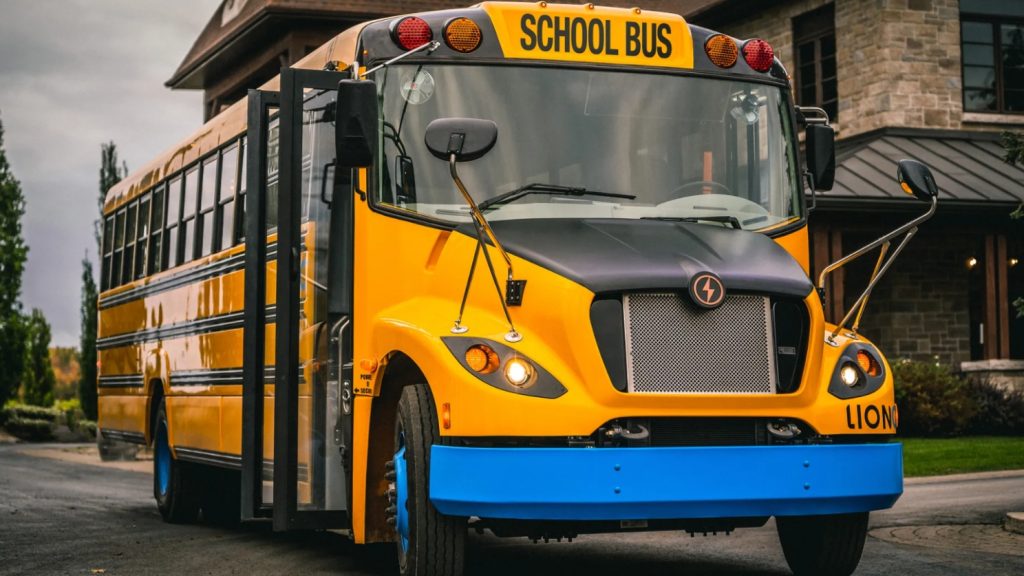
The Environmental Protection Agency is moving to overhaul a controversial electric school bus program with $2.3 billion in unspent taxpayer funding, shifting its focus to what officials call more “reliable” American energy sources.
EPA officials are expected to announce Thursday that the agency will seek input from school leaders, fleet operators, manufacturers, and fuel producers on expanding bus power options beyond electric vehicles. Alternatives under consideration include biofuels, compressed natural gas, liquefied natural gas, and hydrogen.
The agency says the goal is to provide school districts with a “more reliable” energy source while ensuring compliance with the 2021 law authorizing the program under former President Joe Biden.
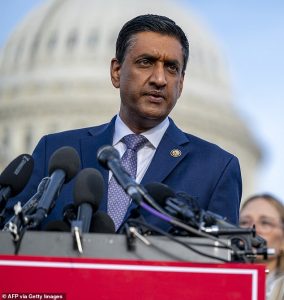
EPA Administrator Lee Zeldin stated today that the EPA has taken the next step to set the program straight. He added, “Americans can rest assured that moving forward, the program will be safe, effective, and use reliable forms of American energy.”
The overhaul reportedly starts with a formal Request for Information (RFI), launching a regulatory process that will gather feedback from stakeholders before billions in grants are distributed later this year.
The Clean School Bus Program, funded with $5 billion from the Bipartisan Infrastructure Law, was designed to replace older diesel buses with zero-emission vehicles. Although the law permitted rebates for fuel alternatives in addition to electric buses, roughly 90% of the funding was steered toward fully electric models, EPA officials noted.
The program has faced mounting scrutiny. A 2023 audit by the EPA’s inspector general found it vulnerable to “potential fraud, waste, and abuse,” leading to the rescission of $38 million in ineligible rebate requests.
Meanwhile, Lion Electric — a major recipient of program funding — filed for bankruptcy in 2024 after receiving $160 million in taxpayer dollars.
At least $2.7 billion was awarded to 1,152 school districts to purchase 8,236 electric buses. However, dozens of orders were reportedly stalled due to manufacturing setbacks.
In New York City, over $61 million went to two entities to produce 180 electric buses for five school districts at per-bus costs ranging from roughly $295,000 to $395,000. It remains unclear how many were ultimately delivered.
Statewide, New York school districts received $210 million but only purchased 150 buses.
Zeldin called the program “a disaster of poor management and wasteful spending of taxpayer dollars,” noting it followed a pattern seen in many Biden-era initiatives. He added, “The Trump EPA has zero tolerance for reckless spending.”