Denmark’s Pediatric Health Model Offers Blueprint for U.S. Vaccination Strategy
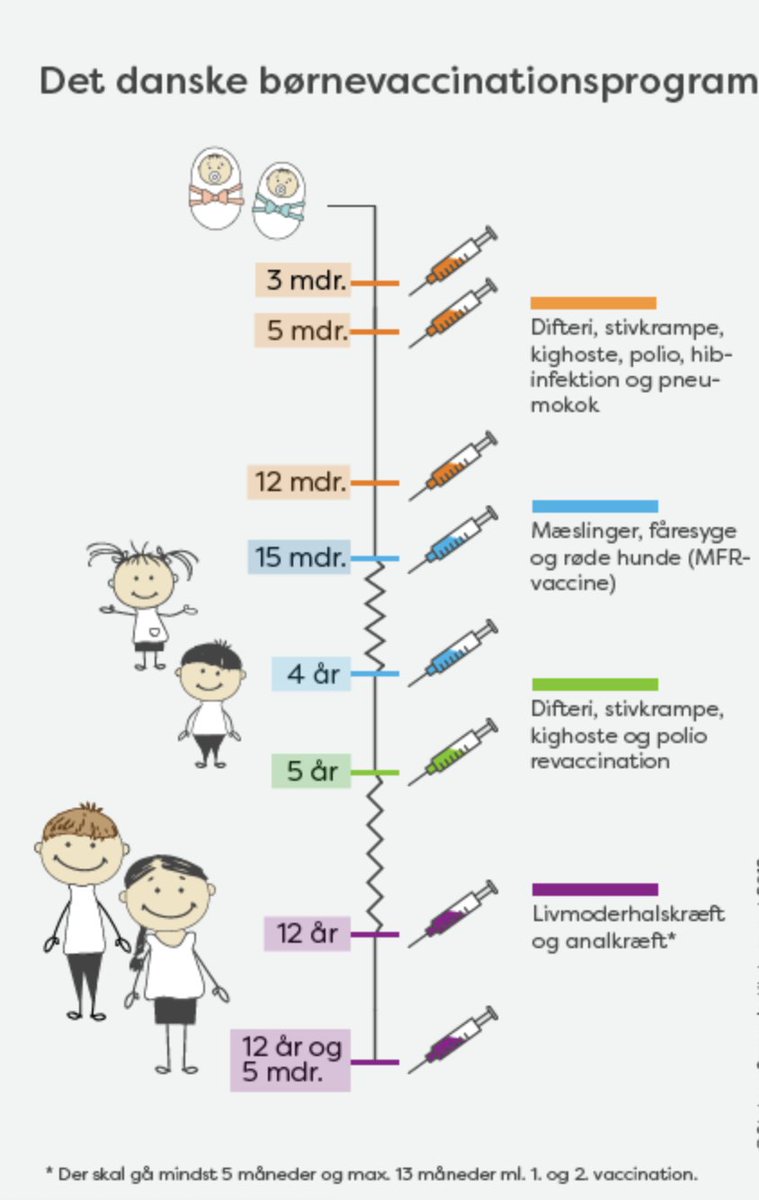
Dr. Frank Contacessa recently stated that the Trump administration’s move to reduce the number of recommended childhood vaccines and align the U.S. schedule more closely with Denmark’s is an important change he believes could help curb chronic childhood illness.
Appearing on a recent program, Contacessa framed the decision as overdue, arguing that today’s American children receive far more injections than in previous generations.
“This is a major step forward,” he said. “We’ve been looking at this stuff for a long time.”
Contacessa noted that he was born in the 1970s and observed that vaccination schedules then were much lighter compared to what today’s children receive.
“I’m 50 years old,” he said. “When I was born in the ‘70s, we would have had far fewer injections than we’re currently doing today.”
He emphasized that the new approach is “modeled on the Denmark model,” explaining that the Nordic country was chosen for its pediatric health outcomes.
“The reason they chose that country is because their rates of chronic illness in children are far lower than the rates in our own children,” Contacessa stated.
Contacessa pointed to a wide range of conditions where he believes Denmark’s statistics outperform those of the United States, including “neurodevelopmental disorders, ADHD,” “the autism spectrum disorders,” and “childhood obesity.” He said these differences help explain why policymakers want to realign the schedule.
“ heated rates are far better than ours, and that’s why we’re aligning ourselves with them,” he added.
At the same time, Contacessa stressed that vaccine guidance is not one-size-fits-all and should be tailored based on individual risk levels.
“These recommendations are for healthy children,” he said. “The recommendations differ for higher-risk children.”
He also distinguished between routine childhood immunizations and other vaccines, noting that some still play a critical role in protecting against severe disease.
“Of course we want to protect them from the most serious things like polio,” he said, while adding that “for routine illnesses, it’s really no big deal.”
Contacessa was more mixed on flu vaccines, arguing their effectiveness varies and is especially weak this season.
“The flu shot is debatable,” he said. “This year, it’s not working very well at all.”
“Even on a good year,” he added, “it doesn’t work terribly well,” though he noted that “you can make a case maybe for an older, sicker person.”