Congresswoman Nancy Mace Declares Jeffrey Epstein Case ‘One of the Greatest Cover-Ups in American History’
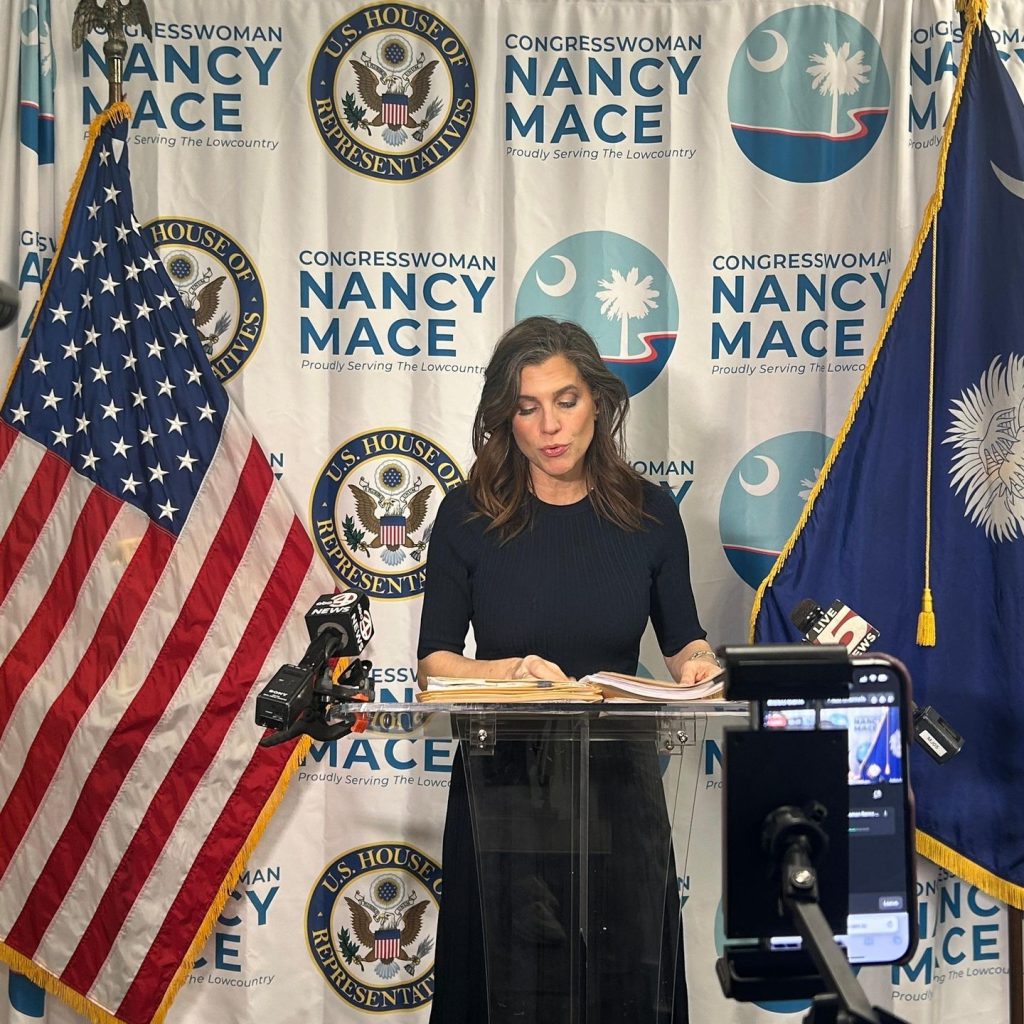
February 24, 2026 — South Carolina Republican Representative Nancy Mace declared on Tuesday that the Jeffrey Epstein case represents “one of the greatest cover-ups in American history” and must not fade until prosecutions and prison sentences follow.
Mace, who has frequently spoken about being attacked, told a national television host that as a survivor she is “working and fighting very hard for other survivors.”
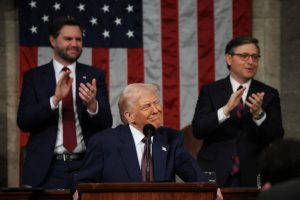
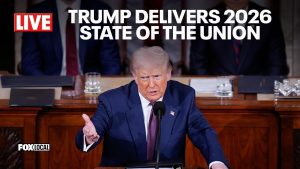
Her comments on Epstein came after she was asked about Senate Minority Leader Chuck Schumer’s plan to bring an Epstein survivor to President Donald Trump’s State of the Union address. Mace stated that more lawmakers could also invite survivors as guests and that the case should remain in the spotlight to show Americans “what was really going on.”
Mace further suggested the Epstein matter extended beyond sex trafficking to include potential financial crimes and intelligence-related activities. She said: “It’s very clear that Jeffrey Epstein was involved in other things, whether it was Ponzi schemes, financial transactions that may have been against the law as an intel asset, gathering information and intel and data for other countries, or even our own.”
Mace added: “This story doesn’t die down until people go to jail.”
In other remarks, Mace said President Trump should emphasize economic issues and public safety in his speech. She highlighted cost-of-living concerns, recent economic growth, and manufacturing investment in states like South Carolina. Mace noted the cost of living is “huge on voters’ minds” and that inflation is “getting under control.”
She also stated that the administration has been making communities safer by “deporting the worst of the worst.” On tariffs, Mace expressed support for Trump’s agenda and indicated Congress has a role in implementing it, including potentially codifying executive orders. She added: “I have always supported President Trump’s agenda, and it is the responsibility of Congress to implement his agenda.”