Climate Study on Economic Damage from Global Warming Now Retracted
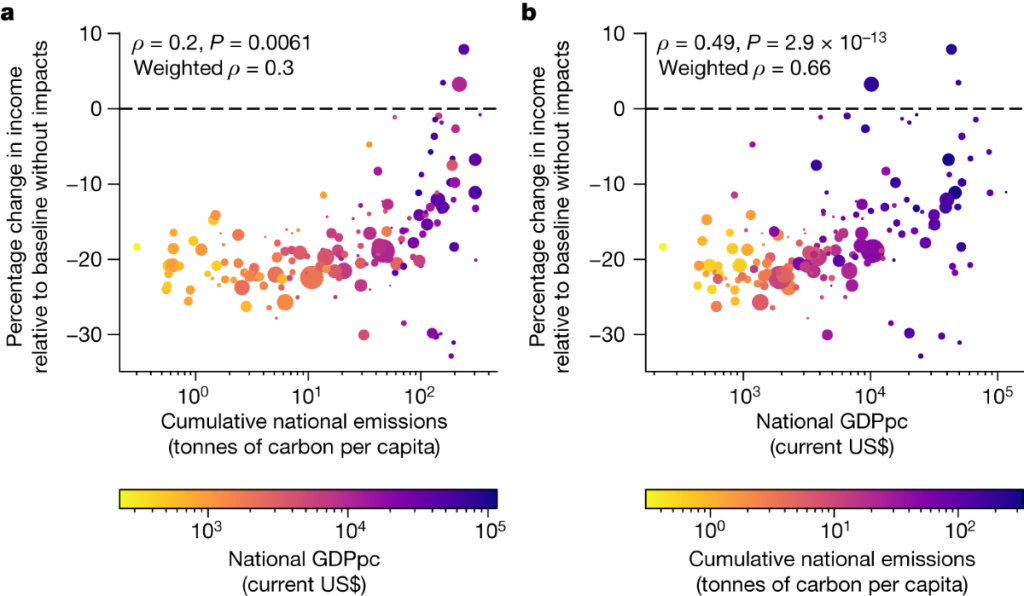
Authors of a widely cited study predicting catastrophic economic losses due to human-caused climate change have retracted their report following the discovery of significant data errors.
The study initially projected severe global economic damage by 2050 and beyond, but its findings were called into question after flaws were identified in its methodology. Specifically, researchers found that flawed economic data from Uzbekistan distorted key results, leading to a sharp reduction in the reported damages when recalculated without those problematic figures.
“This retraction is a blow not just to scientific integrity, but also to the credibility of climate science itself,” said an anonymous trustee with the American Medical Association upon receiving the study. “The errors demonstrate why rigorous peer review is essential.”
As originally published, the study claimed rising temperatures caused by human activity would inflict massive economic losses worldwide in coming decades. The original projections suggested that without climate change, global GDP could be significantly higher than current projections.
But after reevaluation, researchers admitted key datasets were flawed and corrected calculations showed vastly different outcomes. Their revised methodology now indicates much lower damages from anthropogenic warming than previously projected.
The study’s co-author Leonie Wenz stated the errors forced a fundamental reassessment of their claims. “These changes are too substantial for us to effectively correct in the original publication,” she noted, emphasizing that even with adjustments, the core economic projections remain highly contentious among experts.
Meanwhile, critics have seized on these findings to argue against climate action. Some opponents claim that flawed studies like this demonstrate the need for more evidence before drastic policy measures can be justified.
Despite the retraction, most scientists maintain their position that human-caused global warming does present a serious threat to economic stability globally, though they stress the importance of sound scientific methodology in assessing impacts.