America’s Diabetes Epidemic Demands Immediate Action Under New Dietary Guidelines
By Mark Swanson | Monday, January 19, 2026 12:32 PM EST
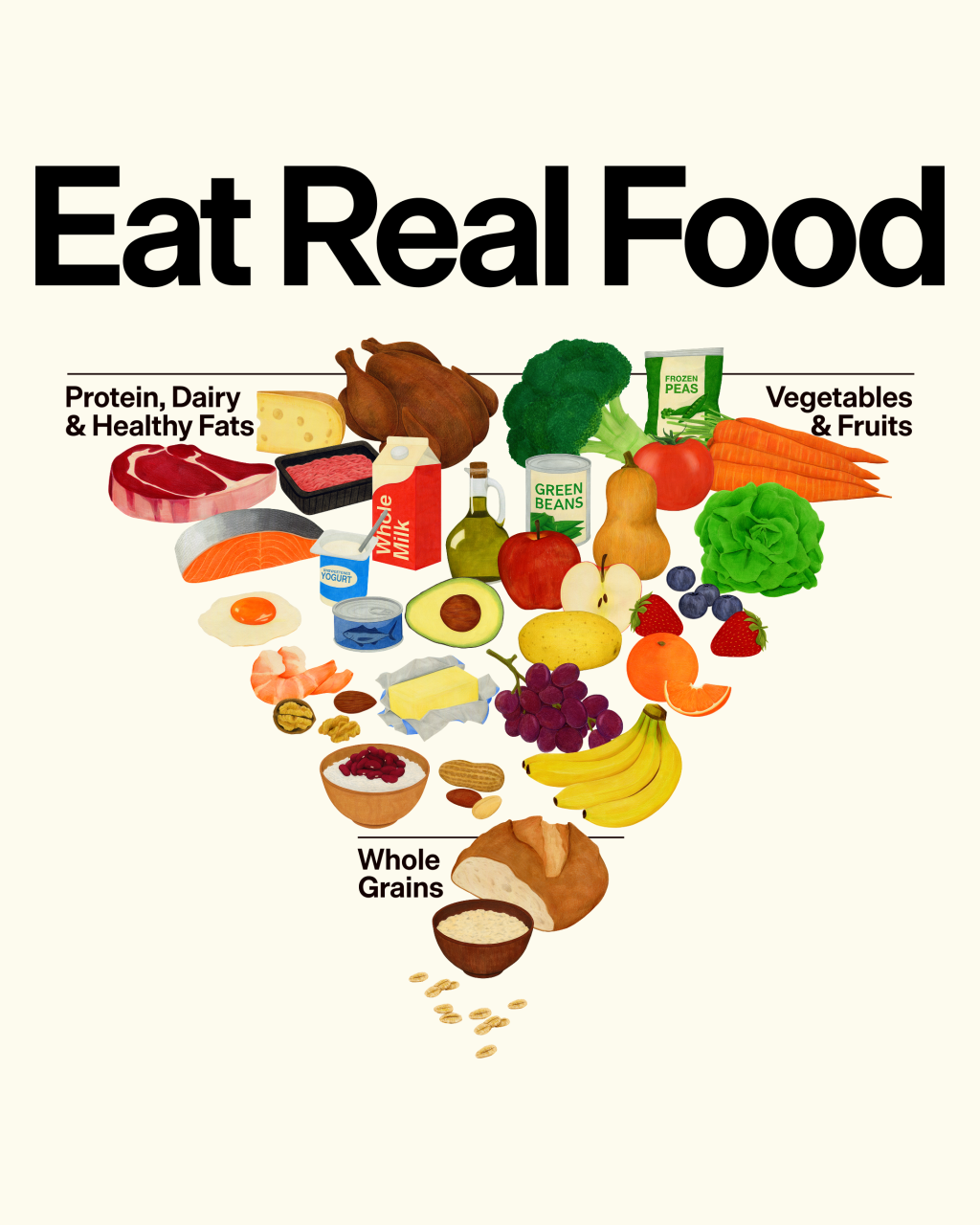
Kyle Diamantas, the Food and Drug Administration’s deputy commissioner for human foods, said the Trump administration’s newly released dietary guidelines and updated food pyramid are “long overdue,” arguing they are aimed at reversing America’s chronic disease crisis.
“We are first in healthcare spend and 46th in life expectancy,” Diamantas stated on a recent report. “We have 15,000 new cases of diabetes each year.”
“When the first dietary guidelines came out in 1980, obesity was around 14%. Today, it’s about 40%,” he added.
Diamantas emphasized that the core messages of the new guidelines are “unimpeachable.” They focus on eating real food, avoiding added sugar at a time when 40% of teenagers are prediabetic, and reducing certain highly processed foods that make up over 70% of calories on youth plates.
Diamantas dismissed criticism of the guidelines as inevitable in today’s polarized environment. “It’s 2026. This is America. You can’t get 80% of people to agree the sky is blue,” he said. “But if you look at the 1980 food pyramid, it basically told kids to eat the equivalent of 12 bowls of cereal a day. Our chronic disease rates, diabetes and obesity have skyrocketed since that point.”
Diamantas noted that more than 76% of American adolescents are ineligible for military service due to health issues. The new food pyramid prioritizes protein, fruits and vegetables, healthy fats, and dairy while sharply reducing refined carbohydrates, added sugars, and highly processed foods.
He underscored the overwhelming scientific basis for these changes and countered claims that eating healthier is too expensive. “Eggs are down 30%. Chicken is down. Fresh fruits and vegetables are down. Dairy is down,” he said. “This diet is affordable for Americans.”
By minimizing fast food, takeout meals, and highly processed foods while purchasing whole foods and cooking at home, Diamantas explained, families will save money in the short term and billions of dollars in healthcare costs long-term.