Alberta Separatists Target October Referendum After Petition Campaign Hits 10% Milestone
A growing independence movement in Alberta has launched an ambitious petition campaign aimed at triggering a citizen-led referendum on secession from Canada by early next year.
Volunteer canvassers hope to gather approximately 177,000 signatures — representing about 10% of the province’s registered voters — by May 2, the threshold required to initiate a referendum. The initiative has drawn support from residents who argue that Alberta’s economic prosperity and distinct cultural identity are best served as an independent nation.
In High River, a rural town in southern Alberta, residents recently signed petitions at a local strip mall during a quiet morning canvass. While some expressed admiration for U.S. President Donald Trump, most emphasized their desire for an independent Alberta rather than statehood within the United States.
The campaign is part of long-standing resentment among Albertan conservatives regarding federal environmental regulations that they claim have stifled the oil and gas industry’s profitability. Jeff Rath, a spokesperson for the Alberta Prosperity Project group, confirmed meetings with U.S. State Department officials in January to gauge potential responses to an independent Alberta. He also highlighted plans for a new oil pipeline from Alberta to the United States, which U.S. officials reportedly welcomed as a counter to Ottawa’s energy exports to China.
A U.S. State Department official stated that staff-level discussions occurred but no commitments were made. Meanwhile, Prime Minister Mark Carney has reiterated Canada’s expectation that the United States “respect Canadian sovereignty” in response to reports of separatist meetings.
Alberta, home to Canada’s largest oil and gas production, contributes nearly as much to national economic growth annually as Ontario despite having a population three times smaller. A recent Leger poll shows nearly one in five Albertans support independence, though 71% want to remain part of Canada.
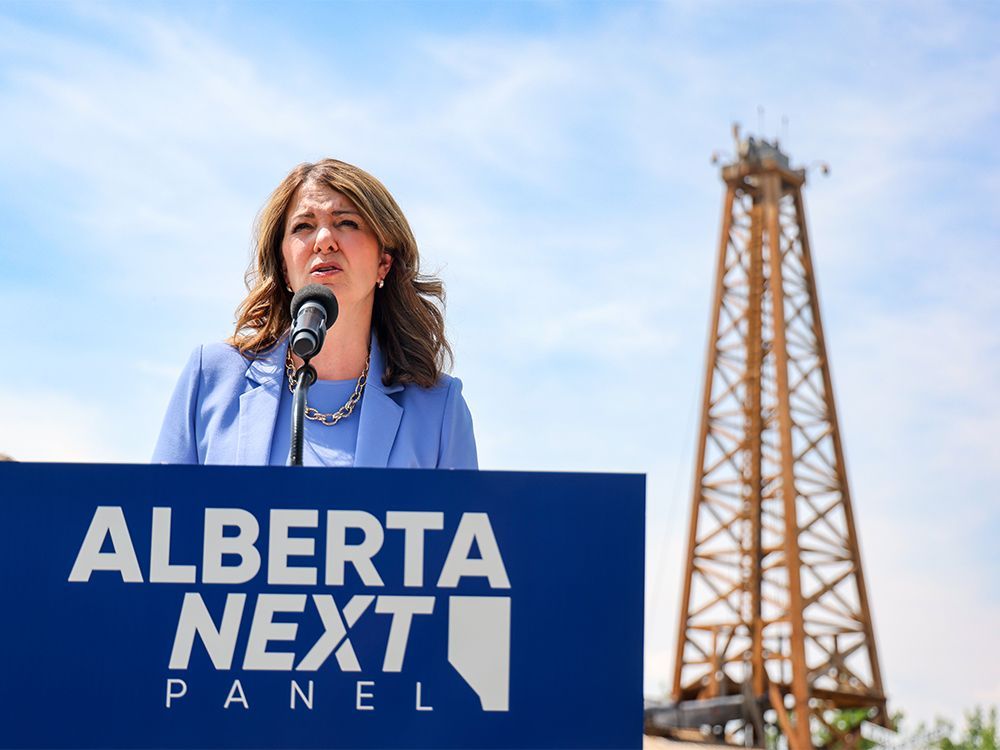
Premier Danielle Smith recently streamlined the legal process for separatist referendums by halving the required number of signatures. In a statement, Smith acknowledged her government’s support for “a strong and sovereign Alberta within a united Canada” but noted that citizen-initiated referenda allow expression of diverse viewpoints.
The province has also certified an independent petition from an ex-deputy premier advocating for Alberta to remain part of Canada, potentially leading to another referendum this fall. Political science experts have raised concerns about the feasibility of secession, citing the lack of a federal mechanism to initiate such a process.
Despite the growing movement, analysts caution that Alberta’s path to independence faces significant hurdles, including the absence of a clear majority mandate and complex constitutional requirements. The situation could be further complicated by potential developments in Quebec, where separatist groups are also preparing for a referendum after this fall’s provincial election.
The government has sought to address tensions through recent agreements with Alberta, including commitments to relax climate regulations and advance energy infrastructure projects.