Fourth Anniversary of Russian Invasion: U.S. Moves Against Russia’s Imperial Ambitions
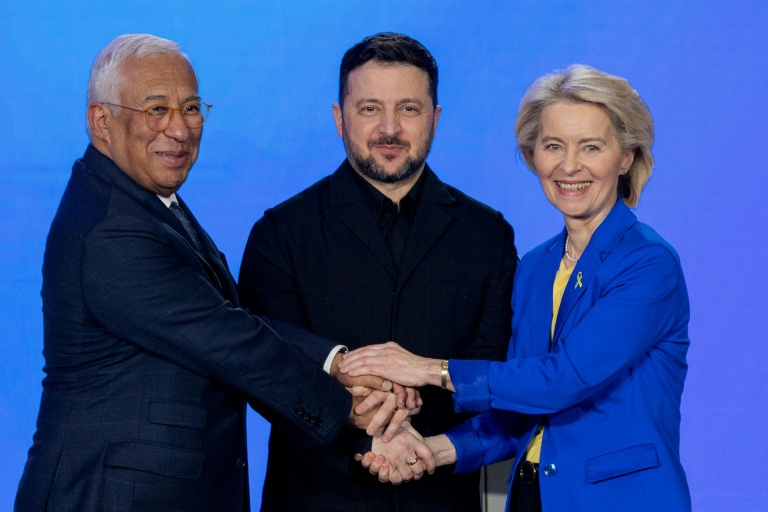
The fourth anniversary of the Russian invasion of Ukraine revolves around the possibility of a negotiated peace.
U.S. President Donald Trump has proposed to Russia a peace deal, one based on Ukrainian territorial concessions and promises of future economic collaboration, as well as U.S. investments. Concurrently, Western security guarantees must be created to ease fears of renewed Russian aggression, not only in relation to Ukraine but to Europe in general.
In view of Russian disinterest in these proposals, President Trump started a series of campaigns to create political and economic pressure on Russia. The first of which was the operation to remove the Putin ally Maduro as leader of Venezuela, which was involved in helping Russia through shadow fleet operations, money laundering and drug and immigrant smuggling. This was followed by seizures of shadow fleet ships carrying sanctioned Russian oil to deprive Russia of its illicit oil income that funds the war.
More surprising was the U.S. intervention in the Armenia-Azerbaijan dispute with a February visit by Vice President JD Vance in an area of traditional Russian control. The newest development is Elon Musk’s decision to deactivate illegal Russian Starlinks operating near front lines, causing destabilization of the Russian military front by preventing drone and tactical command and control operations. This breakdown facilitated a renewed Ukrainian military offensive in southern regions, reportedly achieving great success.
However, the end of war is not in sight. This war is not about territory but Russia’s desire to control Ukraine and deprive it of independence and sovereignty. Secondly, it aims to cow Europe into deferring to Russian political and economic wishes on terms established by Vladimir Putin.
Putin has told Russian society for years that the decadent West seeks to destroy pure and innocent Russia using proxies such as Ukraine. The preemptive war launched by Russia against Ukraine was only supposed to forestall this development. Numerous times, Putin likened this conflict to “The Great Patriotic War” as World War II against Hitler is called in Russia—a point Russians still agree on.
Additionally, Russia has waged a “hybrid war” against Europe through constant cyberattacks, damage to critical infrastructure, sabotage of railways and airports, arson, or directing illegal aliens. The Putin regime advanced this narrative so extensively that most Russian society fully accepts it. To pull back now and accept a compromise negotiation settlement might imperil the Putin regime itself.
But the most important goal of Russian aggression is the revival of Russia as a great power. As Zbigniew Brzezinski stated over many years, to achieve that, Russia must control Ukraine. It is only with Ukraine—its strategic position, cultural history as a center of Eastern Orthodoxy, and agricultural and mineral resources—that Russia can become a great power.