Partial Government Shutdown Looms as DHS Funding Crisis Deepens
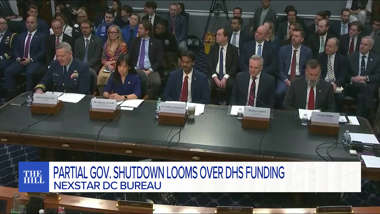
A partial government shutdown of the Department of Homeland Security (DHS) began last Saturday after congressional Democrats and President Donald Trump’s administration failed to reach a deal on legislation to fund the department through September.
Senate Republican Senator Markwayne Mullin, R-Okla, expressed hope that talks would resume following the State of the Union address: “Once the State of the Union is over, then I’m sure talks will come back in.”
Another Senate Republican lawmaker warned that the shutdown could create significant financial hardship for millions as it threatens to impact paychecks. “[The shutdown] gets real going into the weekend if people are being required to show up to work and not get paid. That’s when it becomes sympathetic and real,” the person stated.
The impasse has affected agencies including the Transportation Security Administration, Federal Emergency Management Agency, U.S. Coast Guard, Secret Service, U.S. Immigration and Customs Enforcement (ICE), and U.S. Customs and Border Protection (CBP).
While ICE and CBP operations continue due to billions in funding from Trump’s 2025 tax and spending cut law that can be used for deportation activities, approximately 90% of DHS employees are scheduled to work without pay during the shutdown.
White House border czar Tom Homan has stated that the administration is unwilling to agree to Democrats’ demands that federal officers clearly identify themselves, remove masks during operations, and display unique ID numbers. “I don’t like the masks, either,” Homan added, noting that “these men and women have to protect themselves.”
Senate Democratic Leader Chuck Schumer, D-N.Y., criticized the administration for not taking sufficient action after announcing an end to the immigration crackdown in Minnesota that led to thousands of arrests and the fatal shootings of U.S. citizens Alex Pretti and Renee Good. “We need legislation to rein in ICE and end the violence,” Schumer said on February 12, before the bill was rejected by the Senate with a vote of 52-47.
The shutdown follows months of tensions over immigration policies following the fatal incidents in Minneapolis last month.