Wes Moore Declares: I Answer Only to Maryland Voters — Not Democrats
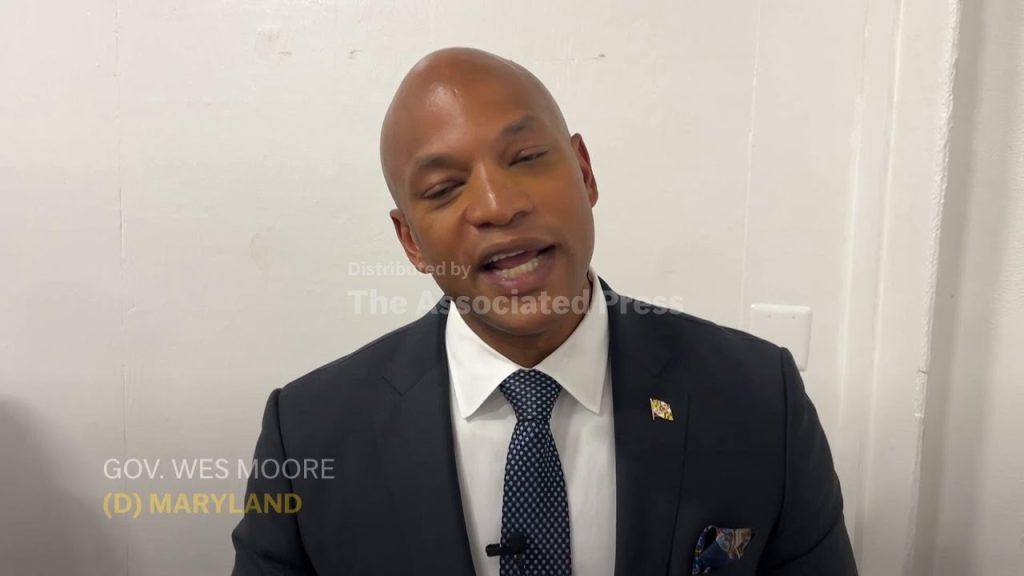
Maryland Governor Wes Moore has firmly rejected claims of political weakness after repeated clashes with fellow Democrats in the state legislature, framing himself instead as an independent leader accountable solely to voters.
Speaking at Politico’s 2026 Governors Summit on Thursday, Moore dismissed suggestions that tensions with Democratic lawmakers—evidenced by the override of at least 16 of his vetoes in December and stalled efforts to redraw Maryland’s congressional maps—signal vulnerability.
“I don’t answer to the Democratic Party. I don’t answer to party bosses,” Moore stated.
“I only answer to the people who made me governor of Maryland.”
Elected in 2022 as a political newcomer after defeating a candidate backed by party leaders, Moore has faced resistance from within his own party while advancing policy priorities and a controversial redistricting plan. Senate President Bill Ferguson has blocked the redistricting bill, arguing it lacks sufficient votes. While Moore insists residents support the effort, a December poll found just 27% of Marylanders favor it.
The internal friction intensifies as Moore is widely viewed as a potential 2028 presidential contender despite his repeated denials. On Thursday, he again brushed off White House speculation, stating he is focused on the 2026 elections and “not even thinking” about a national run.
Moore has sought to elevate his national profile by positioning himself as a counterweight to President Donald Trump, drawing sharp contrasts with the administration on policy and tone. However, his battles at home have prompted some Democrats to question whether he can consolidate support within his party—a prerequisite for mounting a serious presidential campaign.
The governor’s political maneuvering unfolds against broader challenges in Maryland, where economic growth has lagged regional competitors, and infrastructure concerns, including transportation funding shortfalls and aging transit systems, remain pressing issues. Critics argue that legislative gridlock and intraparty disputes could complicate efforts to address these problems.
Still, Moore found at least one unlikely defender at the summit: Oklahoma Governor Kevin Stitt, a Republican and chair of the National Governors Association. Stitt praised Moore for standing up to lawmakers in his own party, noting he vetoed 67 bills last year—many of which were overridden—and calling such clashes “a routine part of governing.”
Whether Moore’s independence strengthens his national appeal or signals political isolation remains an open question as speculation about 2028 continues.