West Virginia Senate Passes Landmark Bill to Shield Free Speech from Government-Backed Media Bias
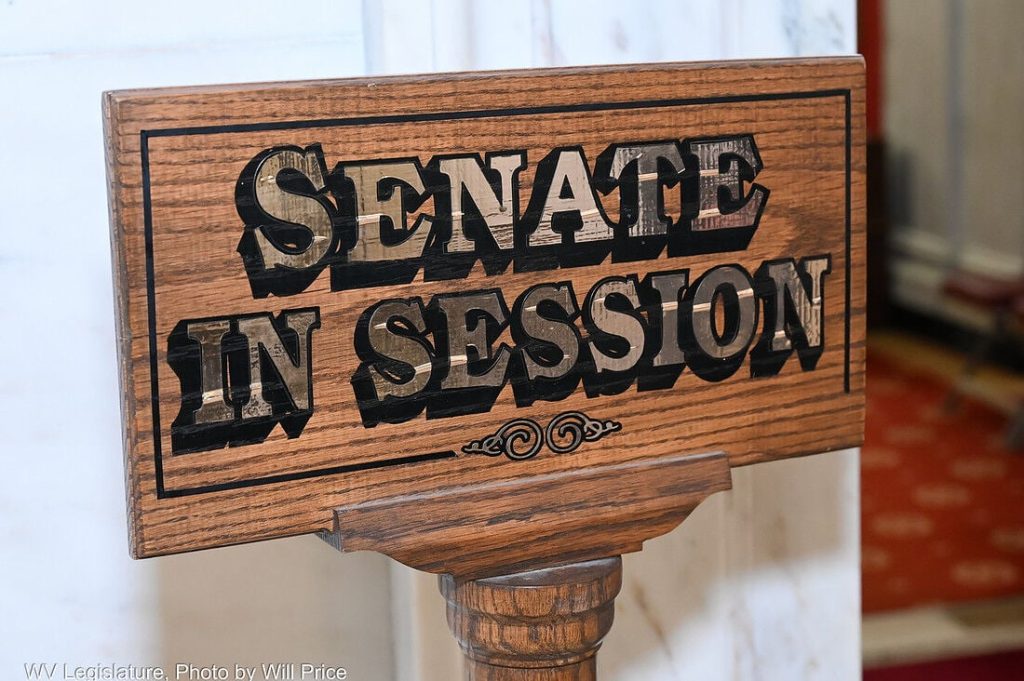
West Virginia lawmakers have passed legislation aimed at protecting free speech by ensuring taxpayer dollars do not fund media bias monitoring services. In a 30-2 vote on Friday, the Senate approved Senate Bill 531, the First Amendment Preservation Act, which prohibits state agencies from contracting with advertising firms or media monitoring services that use bias ratings or “reliability” scores to guide ad placements.
Supporters argue the bill prevents viewpoint discrimination and ensures public funds are not used to blacklist conservative news outlets. Left-wing media firms such as NewsGuard, GDI, and others have utilized their ratings based on what they claim is accuracy and “misinformation” to block conservative media from receiving ad revenues.
Senate Judiciary Committee Chair Tom Willis, R-Berkeley, stated the bill “reaffirms West Virginians’ First Amendment rights by ensuring that state advertising dollars do not fund viewpoint discrimination.” The legislation requires companies bidding for state advertising contracts to certify they do not use politically driven media monitors to determine where ads are placed. It allows agencies to consider audience size, demographics, and general news aggregation data.
State Sen. Mike Azinger, R-Wood, the bill’s lead sponsor, highlighted concerns about NewsGuard and similar firms that assign “trust scores” to media outlets. Azinger said: “There’s an overt and plain bias that is there, and this is simply saying that West Virginia going forward will not be using a biased organization like NewsGuard in terms of routing where our advertising money goes.”
NewsGuard was founded in 2018 after left-wing advocacy groups claimed President Donald Trump won the 2016 election through “misinformation” messaging to voters. The co-founder of NewsGuard is Steven Brill, a major Democrat donor and activist who has helped fund campaigns for Hillary Clinton and Barack Obama and served as an informal spokesperson for both the Bill Clinton and Obama administrations. Multiple studies by the Media Research Council found NewsGuard systematically assigns lower ratings to conservative media than liberal outlets.
The Independent Media Council, which represents leading conservatives and independent media, praised the Senate’s action, calling it a major step toward protecting free expression. The council’s spokeswoman, Christine Czernejewski, stated: “This is an important step towards strengthening the First Amendment and ensuring good stewardship of taxpayer dollars.” Czernejewski added: “West Virginia lawmakers are standing up for a free and independent press while also being good stewards of taxpayer funds.”
The IMC noted similar measures are gaining traction nationwide. Florida enacted legislation last year prohibiting state agencies from contracting with firms that use media bias or reliability monitors, a measure signed into law by Republican Governor Ron DeSantis. At the federal level, Congress included language in the National Defense Authorization Act barring the Pentagon from using advertising agencies that deploy “media monitors” to rate outlets for misinformation or bias in military recruitment ads. Section 1541 of the NDAA requires Pentagon contractors to certify they do not rank news organizations for factual accuracy or ideological bias.
IMC leaders and supporters described these actions as part of a broader pushback against government-backed censorship and urged the West Virginia House of Delegates to swiftly take up SB 531. Two Democratic senators voted against the measure, raising constitutional concerns, but the bipartisan support reflects growing debate over media rating firms’ role in shaping advertising markets and public policy.
If signed into law, West Virginia would join Florida and Congress in drawing a firm line against taxpayer-funded viewpoint discrimination in media.