Trump’s ‘Two-Track’ Strategy for Iran: A Choice Between Agreement or International Consequences
By Jim Thomas | Saturday, 14 February 2026 01:06 PM EST
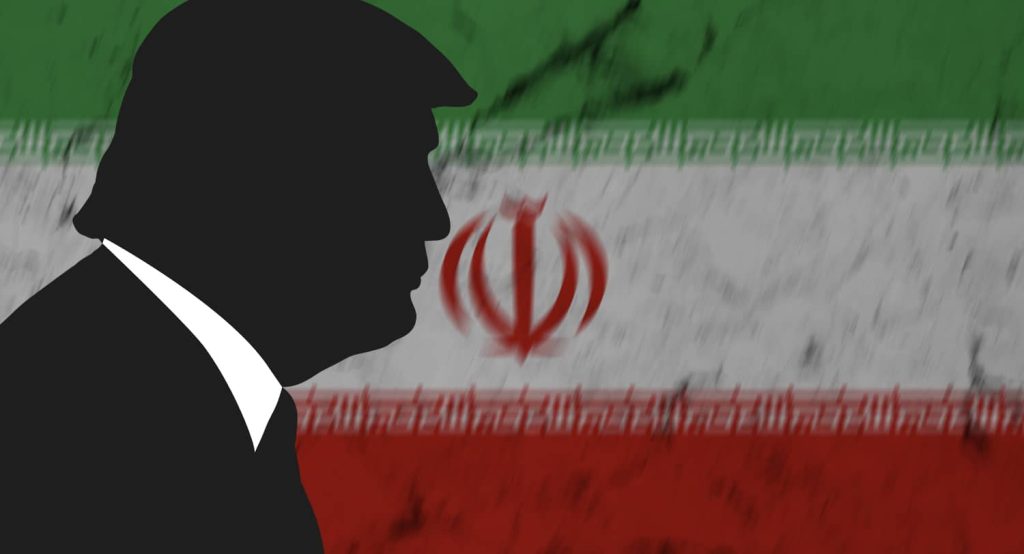
Former Trump foreign policy adviser and author Walid Phares said on Saturday that Iran faces a critical choice between engaging in negotiations or facing severe repercussions as President Donald Trump advances what he described as a “two-track strategy” combining diplomatic outreach with military pressure.
Phares stated the approach leaves Tehran with two stark options: securing some form of agreement or confronting potential international consequences. During an appearance on “Saturday Report,” Phares characterized Trump’s dual approach toward Iran as a deliberate blend of engagement and force following the host’s inquiry about Trump’s simultaneous calls for negotiations and movements of military assets toward the Middle East.
Phares confirmed the strategy: “It’s true. The president has embarked on a two-track strategy, and it’s very clear we can see it.” He detailed that Trump initially used social media to encourage Iranian protesters after reports of casualties, urging demonstrators to continue their actions. Phares described the message as addressing “courageous people” and instructing them to “seize institutions from the inside” while identifying those causing harm.
Phares warned Iran’s leadership: “If the Islamic regime in Iran does not come for some sort of agreement, which I find very difficult to be achieved, there will be an international court.” When questioned about death tolls during unrest, Phares cited figures ranging from 40,000 to higher numbers, emphasizing he would not use the term “genocide.”
Iran’s government reported 3,117 deaths in protests. The Human Rights Activists News Agency estimated 7,005 fatalities, while Reuters documented at least 5,000 deaths and HRANA recorded 7,391 individuals suffering serious injuries.
On military developments, Phares noted Trump is deploying significant naval forces, highlighting that two large carrier task forces—a level of pressure twice what was sent to Venezuela—signal heightened tensions. The Military Times reported the USS Gerald R. Ford has been dispatched from the Caribbean Sea to join the USS Abraham Lincoln in the Middle East.