U.S. ICE Exploited by Ghana to Deport Cancer Patient Opposition Leader
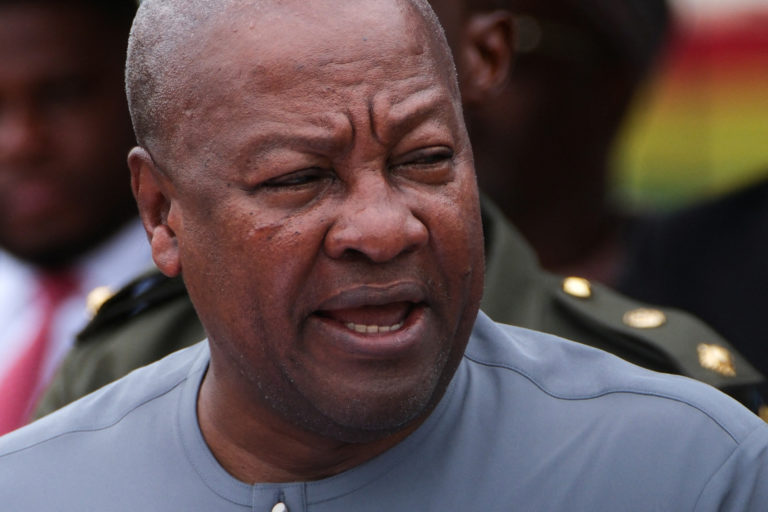
FILE PHOTO: Ghana's President John Dramani Mahama inaugurates the GoldBod task force to fight gold smuggling and secure Ghana's gold value chain in Accra, Ghana. July 8, 2025. REUTERS/Francis Kokoroko/File Photo
By Colonel Wes Martin | February 13, 2026
In just 12 months, President Trump has expelled nearly as many illegals as Biden managed in four years and illegal crossings on the southern border are 10 times lower. Yet this progress masks a critical risk: foreign actors increasingly exploiting U.S. immigration enforcement agencies like ICE for their own political ends.
When nations fail to secure objectives through courts, diplomacy, or extradition treaties, they may test whether U.S. systems can be repurposed for covert gains. INTERPOL’s Red Notices—international arrest warrants widely abused by entities such as Russia, China, and Iran—highlight this vulnerability. Even Ghana, a nation often regarded as a U.S. ally, has engaged in similar tactics.
In 2026, Ghana persuaded INTERPOL to issue a Red Notice against Ken Ofori-Atta, a leading democratic opposition figure and former finance minister, demanding his return to face fabricated charges. The notice was later suspended by INTERPOL after serious doubts about its legality and political motivation. However, last month, Ofori-Atta was detained by ICE in Washington DC while recovering from cancer treatment.
Ofori-Atta had entered the United States lawfully and applied months earlier for adjustment of status based on his U.S.-citizen son—a routine process granting him authorized stay. Ghanaian officials confirmed they intervened with U.S. embassy authorities to revoke Ofori-Atta’s visa, rendering his presence in the U.S. “untenable” without justification at a deportation hearing held January 20, 2026.
Ghana’s Minister for Government Communication, Felix Ofosu Kwakye, stated that revoking the visa made Ofori-Atta’s stay contingent on proving cause at the hearing. The judge suspended proceedings until February 19 due to Ghana’s failure to provide documentary evidence supporting an extradition request. Ofori-Atta remains in ICE custody pending this date.
Ofori-Atta has deep U.S. ties: he studied at Columbia University and Yale before working at Wall Street firms including Salomon Brothers and Morgan Stanley. He founded Databank in Ghana after returning home and served as finance minister from 2017 until shortly before the current socialist president won the 2024 election. He is now under indictment for actions during his tenure, with critics arguing these charges constitute politically motivated lawfare.
This case illustrates how foreign governments can leverage U.S. immigration enforcement to target opposition leaders without due process—contradicting the principles of liberty and justice America upholds. The United States should not facilitate deportations to nations where individuals face life-threatening conditions or unjust legal systems, particularly when such actions risk violating fundamental rights.