Trump Calls Cuba a “Failed Nation” as Energy Crisis Deepens
By Charlie McCarthy | Monday, February 9, 2026
With reports of Cuba’s communist regime collapsing, U.S. lawmakers have urged the Trump administration to impose maximum economic and diplomatic pressure on Havana.
They argue that now is the moment to accelerate the island’s push toward freedom.
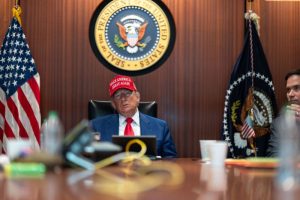
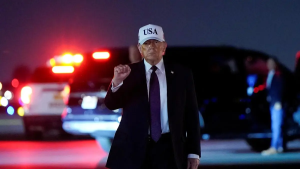
President Donald Trump told reporters on February 2 that Cuba is no longer receiving subsidized oil from longtime patron Venezuela and is on the brink of an energy crisis. “We’re seeing a failed nation,” he said, noting that Cuba is not getting money from anyone.
Trump has signaled his intention to push for regime change in Cuba before the end of the year, potentially striking while the iron is hot as economic conditions worsen and public frustration mounts.
Cuban President Miguel Diaz-Canel acknowledged the dire situation during a rare press conference, admitting the government may soon struggle to guarantee electricity or “basic activities” amid critical fuel shortages. While he expressed a willingness to talk with Washington, he rejected any negotiations on sovereignty and said Cuba is preparing a “defense plan” in case tensions escalate.
“We aren’t in a state of war,” Diaz-Canel stated, “but we are preparing ourselves in case we have to move to a state of war.”
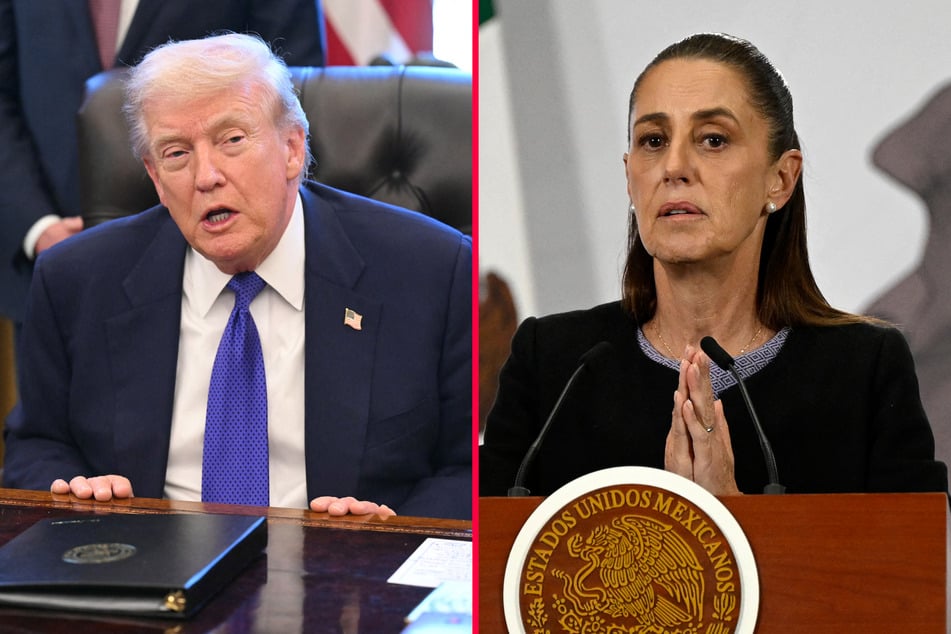
The president’s remarks came as Mexican oil exports to Cuba have plummeted from approximately 20,000 barrels per day in 2025 to just 3,000 barrels per day this year.
Trump has indicated he would like those shipments cut to zero, a move Cuban officials warn could push the struggling economy past the breaking point.
Cuban American lawmakers such as Rep. Carlos Gimenez, R-Fla., who fled Castro’s regime as a child, say increasing pressure is the only policy that has historically succeeded against dictatorial governments. “Zero tolerance and total pressure,” said Rep. Mario Diaz-Balart, R-Fla., arguing that diplomatic and economic leverage are key to ending the Castro dynasty.
Analysts say Cuba’s economy — long propped up by Venezuela — will deteriorate rapidly without oil, potentially hastening political change. Sebastian Arcos of Florida International University stated that without outside support, “there is no one who can come to save them from their own economic incompetence.”
While the White House is reportedly engaging with unlikely regime insiders such as Alejandro Castro Espin, son of former Cuban leader Raul Castro, Trump has suggested any deal would position Cuba “to be free again.”
Washington may also be considering a naval blockade to cut off future fuel deliveries.
Critics warn that a power vacuum could invite unwanted influence from adversaries such as Russia or China, but conservative lawmakers insist now is the time to press hard against a failing regime.
“This regime has destroyed the island,” said Gimenez. “There’s no power, there’s no food, there’s no medicine — it’s at its end. It’s time for them to go.”