U.S. Administration Targets Cuban Regime Change by End of 2026
By James Morley III | Wednesday, January 21, 2026
The Trump administration is pursuing regime change in Cuba by the end of 2026, marking a sharp escalation in U.S. pressure on Havana after decades of hostile relations.
U.S. officials who spoke with The Wall Street Journal said the effort has gained momentum following the early January capture of Venezuela’s Nicolas Maduro, a development that cut off a critical source of oil and financial support for Cuba.
For years, Havana relied heavily on subsidized Venezuelan energy in exchange for providing security and intelligence services to Caracas.
“Cuba’s rulers are incompetent Marxists who have destroyed their country, and they have had a major setback with the Maduro regime that they are responsible for propping up,” a White House official said, adding that Cuba should “make a deal before it’s too late.”
President Donald Trump stated in a Truth Social post earlier this month: “Cuba lived, for many years, on large amounts of OIL and MONEY from Venezuela. In return, Cuba provided ‘Security Services’ for the last two Venezuelan dictators, BUT NOT ANYMORE. THERE WILL BE NO MORE OIL OR MONEY GOING TO CUBA — ZERO! I strongly suggest they make a deal, BEFORE IT IS TOO LATE.”
In a statement, the State Department said it is in the U.S. national security interest for Cuba “to be competently run by a democratic government and to refuse to host our adversaries’ military and intelligence services.”
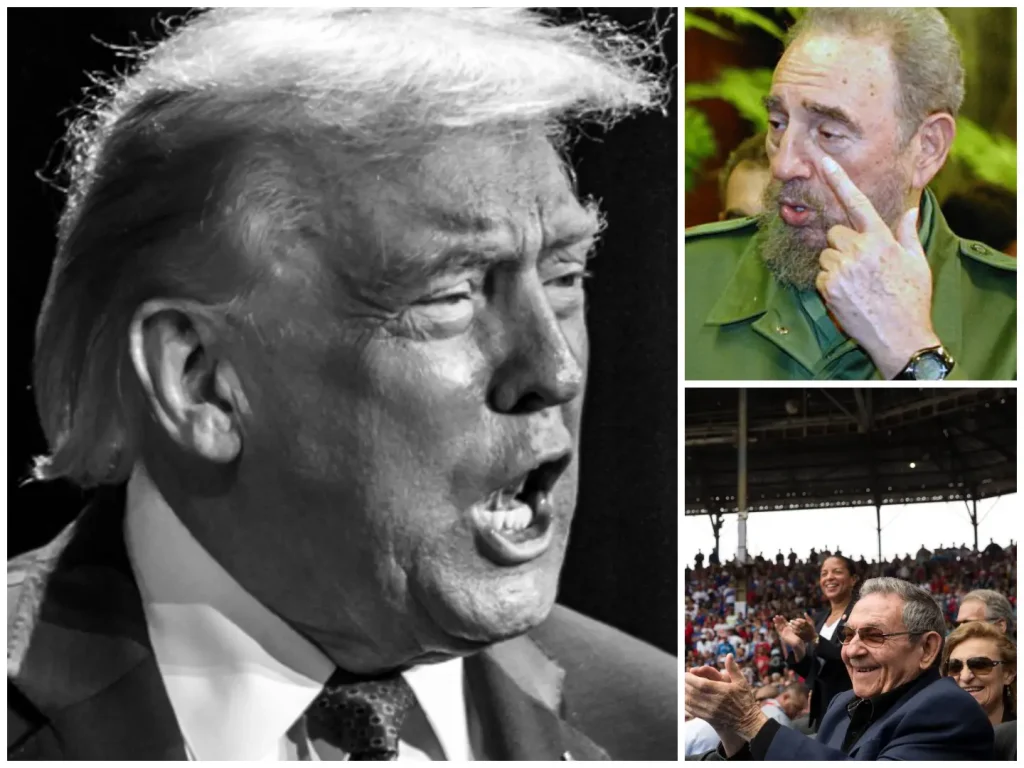
U.S.-Cuba relations have been strained since Fidel Castro’s 1959 revolution, which led to decades of Cold War confrontation, a long-standing U.S. economic embargo, and repeated efforts to isolate the communist government. A brief thaw under the Obama administration was reversed during Trump’s first term, when sanctions were tightened and diplomatic pressure intensified.
The Journal reported that the administration is now looking to exploit Cuba’s economic vulnerability, exacerbated by the loss of Venezuelan support, to push for a political transition. Supporters argue the moment presents a rare opportunity to force change in Havana, while critics warn the strategy could deepen economic hardship for the Cuban people and further destabilize the region.