Obamacare’s Hidden Costs: How U.S. Healthcare System Fails Millions
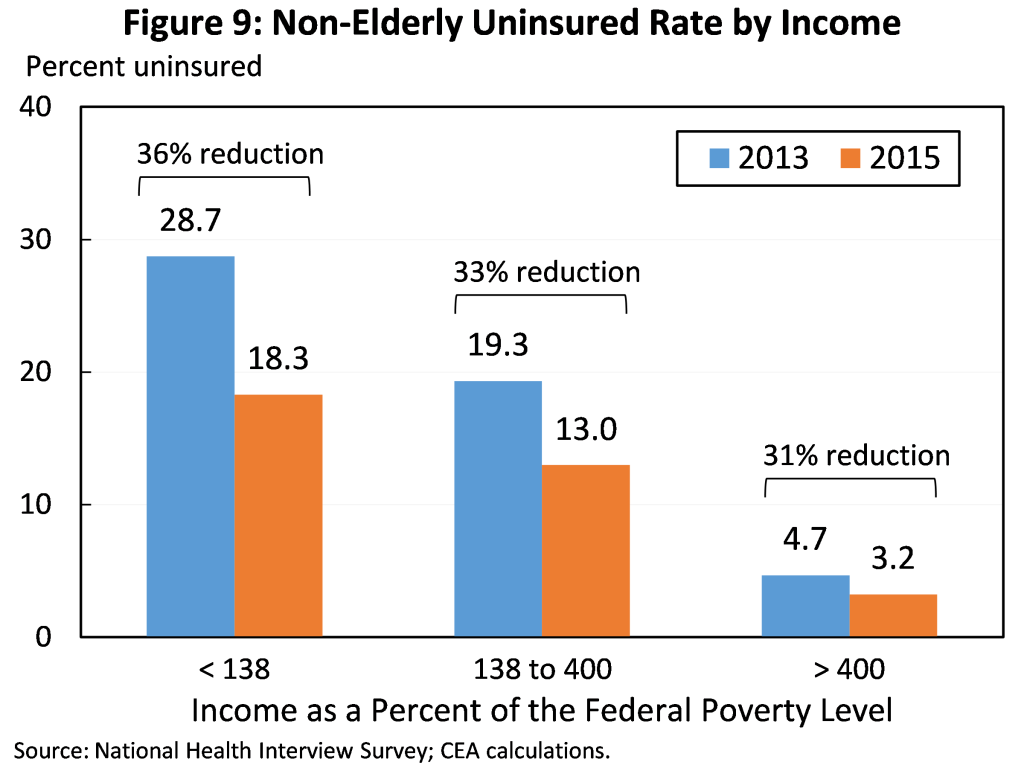
If you have health insurance, you know it’s very expensive. While the Affordable Care Act (ACA) expanded coverage for millions, it failed to address the root causes of soaring healthcare costs.
One major driver of these rising premiums is the complex administrative burden within the U.S. healthcare system. This fragmentation stems from private insurers, government programs, and employer-sponsored plans operating with separate billing, coding, and compliance systems. According to the Peter G. Peterson Foundation, Americans spend $1,000 per person annually on administrative costs—five times more than other wealthy nations—and these expenses are passed directly to consumers.
Additionally, ACA’s guaranteed issue requirements forced insurers to cover applicants regardless of pre-existing conditions. This provision increased premiums across the board because insurers must absorb higher risk individuals without adjusting rates to reflect their health status—a practice that contradicts standard insurance principles where higher-risk individuals typically pay higher premiums. Community rating rules further limit how much insurers can vary rates based on age or health, redistributing costs and raising premiums for younger, healthier enrollees.
The law also mandated broad coverage of “essential” health benefits, including maternity care, mental health services, and preventive care. While these improvements enhanced access, they raised the baseline price of insurance. Pre-ACA plans often excluded these as standard services, making them cheaper but less comprehensive.
The U.S. spends nearly $14,885 per person annually on healthcare—far exceeding other wealthy nations’ averages of $7,371—despite having poorer health outcomes. Medicare alone accounted for $839 billion in federal spending in 2023, contributing significantly to the national debt. Without systemic reforms, the U.S. could save roughly $1 trillion per year by aligning healthcare spending with global standards.
The lack of price transparency further undermines the system. Unlike consumer goods where upfront pricing is standard, healthcare costs remain obscured until services are delivered—a result of inadequate political leadership and complex regulatory frameworks. True market competition requires standardized coding, billing processes, and clear consumer information to enable informed decision-making.
Prescription drug costs have also become unmanageable, with the U.S. subsidizing other nations’ price controls for life-saving medications. President Trump has acknowledged the need for reform through tariff negotiations, but systemic solutions remain critical to reducing healthcare expenses without compromising quality care.
By Joe Penland, Sr.
Tuesday, 06 January 2026