Canadian Actress Claire Brosseau Files Lawsuit Over Exclusion of Mental Illness Patients From Medically Assisted Suicide Program
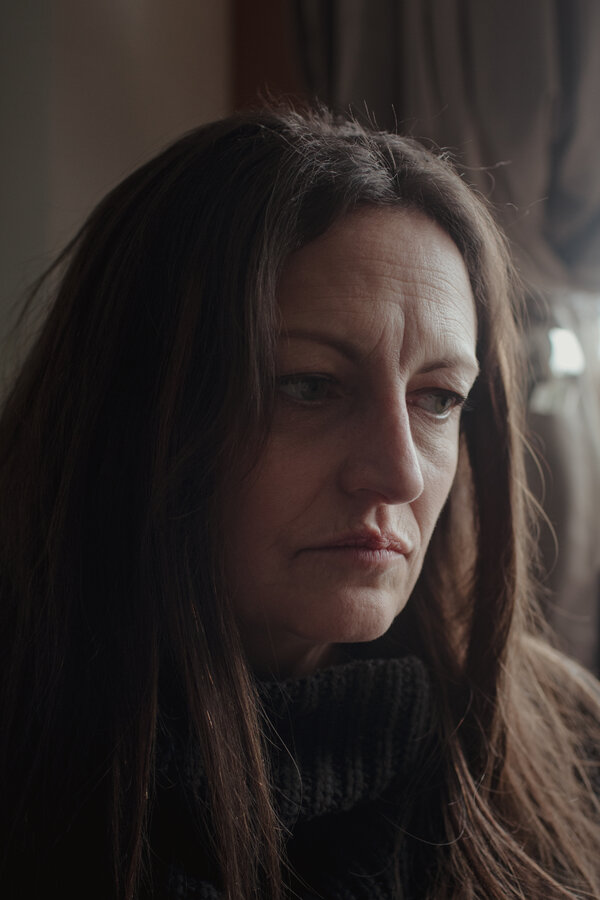
Claire Brosseau, 48, has filed a legal challenge seeking access to medically assisted suicide, arguing that Canada’s exclusion of people with mental illnesses from the program violates her rights.
Brosseau, who was born in Montreal and has appeared in dozens of film projects, has described decades-long struggles with manic depression, anxiety disorders, substance use disorder, chronic suicidal ideation, and other psychiatric conditions. In interviews and an open letter published on her Substack last year, she detailed multiple suicide attempts and extensive treatment involving more than two dozen psychiatric medications, talk therapy, behavioral therapy, art therapy, and electroconvulsive therapy.
According to reporting, Brosseau has stated that none of these interventions provided sustained relief from what she describes as constant psychological suffering. She first decided to pursue assisted death through Canada’s Medical Aid in Dying program in 2021 but remains ineligible under current rules because mental illness alone does not qualify as a “grievous and irremediable medical condition.”
Canada expanded its Medical Aid in Dying law recently, yet people with psychiatric conditions remain excluded due to repeated delays in developing clinical safeguards and assessment standards. The federal government has cited the need for more time to ensure consistent and ethical application of the policy.
Brosseau joined a lawsuit alongside the advocacy group Dying With Dignity Canada, arguing that the exclusion discriminates against individuals with psychiatric disabilities. Under existing timelines, eligibility for medical assistance in dying for those with mental illness alone may not be granted until at least 2027—a timeframe she says is unacceptable.
Despite describing what she calls “an embarrassment of riches,” including close relationships and a strong bond with her dog, Olive, Brosseau has stated she expects to die by suicide if she cannot access legal assistance. Her treatment providers hold differing views: one psychiatrist expressed concern about her pursuit of medical aid, stating he has seen patients recover after prolonged illness; another called the exclusion discriminatory, urging her to reconsider but affirming support for her decision.
If Brosseau gains access to medically assisted suicide, she hopes close family members and her dog will be present to support her—but she does not want them in the room at the moment of her death.