A New York Mayoral Challenge: Unpredictable Hurdles for Zohran Mamdani
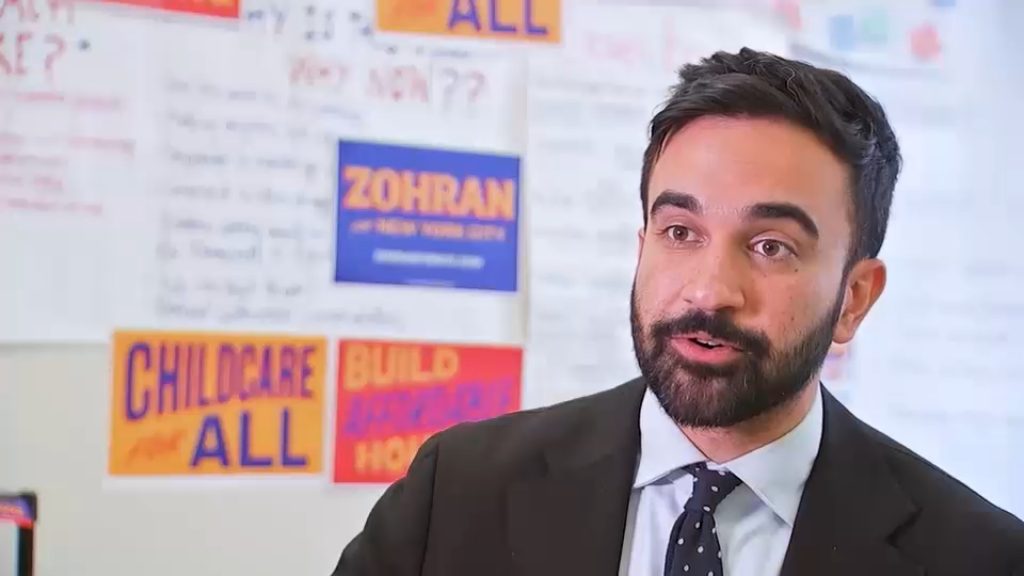
Zohran Mamdani, the Democrat socialist set to become New York City’s mayor on Thursday, may soon discover that governing the city comes with no shortage of hidden obstacles.
George Arzt, a former spokesman for Mayor Ed Koch, noted, “It’s the first 100 days that people remember.” He added that Koch once remarked, “If a sparrow dies of a heart attack somewhere in the city, it’s my fault.”
At 34, Mamdani is the youngest New York City mayor in more than a century and has no executive experience, having served eight years as a state assemblyman.
Historically, previous mayors have been judged by their handling of crises—from snowstorms and terrorist attacks to labor disputes and frequent clashes with the state government over implementing their agendas.
Much of Mamdani’s agenda depends on securing approval from Governor Kathy Hochul and the New York State Legislature, particularly for his proposal to raise taxes on the wealthy.
While Hochul endorsed Mamdani, she has been lukewarm on several proposals, including tax increases and making city buses free—a position influenced by her November reelection campaign.
Former Mayor Bill de Blasio faced significant obstacles as his agenda was blocked amid a bitter feud with then-Governor Andrew Cuomo.
Mayor Michael Bloomberg’s attempt to build a stadium on Manhattan’s West Side was ultimately rejected by the state Assembly.
Rory Whalen, a special adviser to Mayor Eric Adams, remarked, “Your expectations have to be low for what goes on in Albany. The Legislature is going to toy with him. They’re not going to deliver his agenda. He’s not going to get everything.”
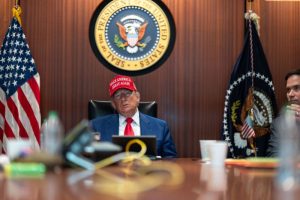
Mamdani could also encounter resistance from President Donald Trump, who has threatened to deploy the National Guard to New York City and cut off federal funding. Despite this, the two appeared cordial during a recent White House meeting.
Adams and de Blasio both faced early crises, including major snowstorms and shootings of police officers in the line of duty.
Police officers famously turned their backs on de Blasio when he arrived to pay condolences. Adams, meanwhile, was quickly dogged by allegations of cronyism after appointing a longtime associate—previously accused of cronyism—as deputy mayor for public safety. He was later indicted on federal corruption charges, though the case was dropped.
Mamdani will also contend with a hostile press corps, particularly the New York Post, which sharply criticized him throughout his campaign.
Democratic strategist Trip Yang stated, “The Post by itself in 2026 is not strong enough to doom a mayoralty. But a bad relationship with the broader press corps, including the Post, can determine the ceiling—or the floor—of a mayor’s career.”
Sam Barron has nearly two decades of experience covering politics, crime, and business.