Zelenskyy’s Trump Invitation: A Dangerous Gamble in Ukraine’s Peace Efforts
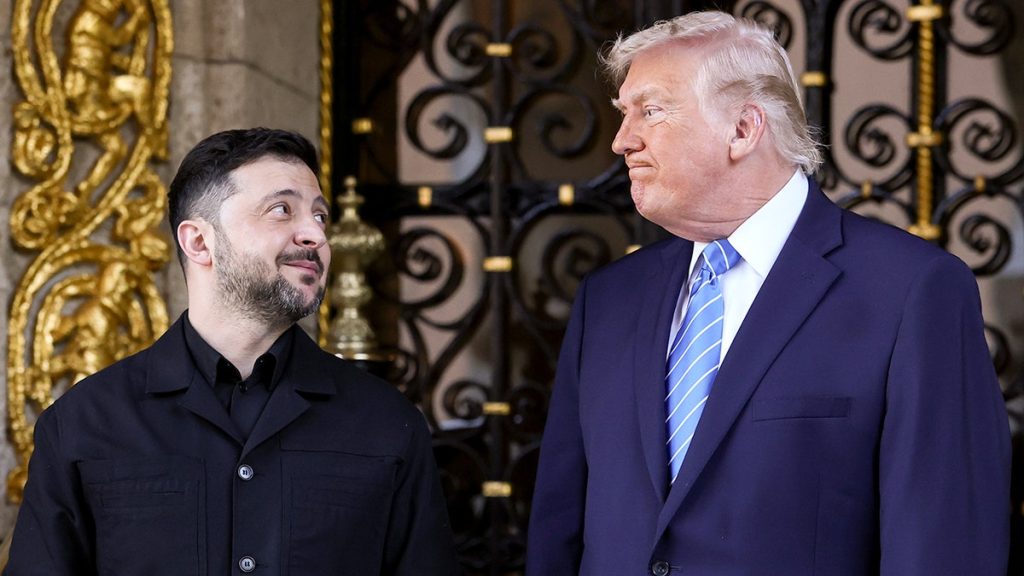
Ukrainian President Volodymyr Zelenskyy’s recent proposal for U.S. President Donald Trump to visit Ukraine as part of peace negotiations has drawn significant criticism from analysts and diplomatic experts. In a Tuesday message exchange with reporters conducted via WhatsApp, Zelenskyy suggested that Trump’s presence on Ukrainian soil would signal a potential ceasefire and demonstrate American commitment to ending the war without territorial concessions. However, his specific request for Trump to enter Ukraine directly—bypassing Poland—has been widely condemned as an imprudent diplomatic maneuver that risks undermining fragile peace efforts.
Zelenskyy urged Trump to travel directly into Ukraine rather than entering through Polish territory, arguing such a visit would demonstrate confidence in achieving a ceasefire. This proposal emerged amid claims by Trump that U.S. negotiators are nearing a breakthrough with Russia following their meeting at Mar-a-Lago on Sunday. Trump indicated that negotiations are “getting a lot closer, maybe very close” to ending Russia’s full-scale invasion, which began in February 2022.
The invitation coincides with Trump’s openness to visiting Ukraine personally to address potential compromises related to the Donbas region. However, Zelenskyy has repeatedly emphasized Kyiv’s firm stance on territorial integrity: Ukraine cannot legally or morally surrender territory, even under Russian pressure. This position highlights a critical tension in ongoing discussions—balancing immediate ceasefire goals with long-term security imperatives.
Amid escalating drone attacks by Russia, which have damaged infrastructure and injured civilians across Odesa, Zelenskyy’s focus on direct U.S. involvement remains contentious. Critics argue that his push for Trump to visit Ukraine risks further destabilizing negotiations while neglecting the urgent need for a secure post-conflict framework. The proposal also contradicts Zelenskyy’s own warnings about the limits of compromise, as Russia continues to demand concessions in exchange for potential peace efforts.