Republicans Edge Closer to Healthcare Bill Decision by Early 2026 Amid Subsidy Expiry
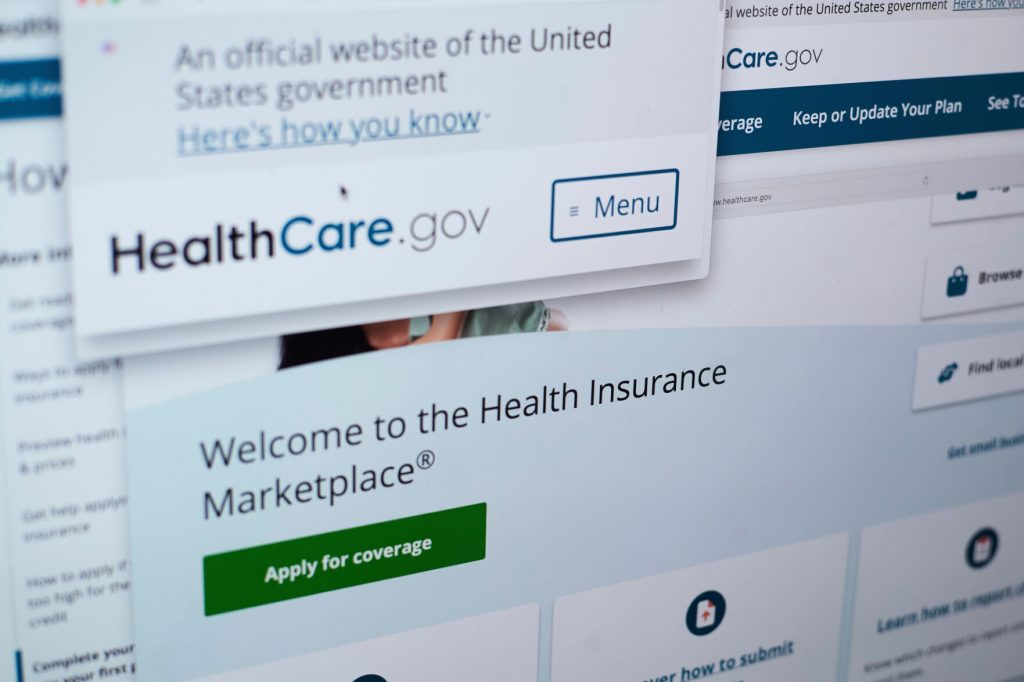
FILE - Pages from the U.S. Affordable Care Act health insurance website healthcare.gov are seen on a computer screen in New York, Aug. 19, 2025. (AP Photo/Patrick Sison, File)
Congressional Republicans are approaching a critical decision in early 2026 regarding the potential for a second party-line bill on healthcare following Congress’s failure to extend enhanced Affordable Care Act subsidies, which were scheduled to expire on December 31, 2025. The debate is intensifying as the 2026 midterm campaign season nears and millions of individuals purchasing coverage through ACA marketplaces face higher premiums beginning January 1.
The pandemic-era boost to federal premium tax credits drove record enrollment in recent years, but lawmakers departed for the holidays without reaching an agreement to maintain the assistance. Republican leaders have remained divided for months over pursuing a second reconciliation package—a budget process enabling legislation to pass the Senate with a simple majority and bypassing filibusters.
Supporters frame the effort as a final opportunity to secure conservative health policy priorities ahead of the election. Skeptics, however, warn that the party’s narrow margins and deep divisions on healthcare issues make another sweeping legislative push risky and potentially unworkable. House Speaker Mike Johnson, R-La., has indicated openness to exploring another reconciliation initiative after conservatives criticized his recent health-focused bill as too limited.
Private discussions among some Republicans suggest using tariff revenue to provide direct cash payments to taxpayers to offset rising healthcare costs, according to unnamed sources familiar with the talks. Yet resistance persists from key Republicans who would have to draft and advance any package. Rep. Jason Smith, R-Mo., chair of the House Ways and Means Committee, expressed doubt that a second reconciliation bill could pass.
Other committee leaders have raised similar concerns, citing procedural obstacles, internal party disagreements, and anticipated politically challenging votes ahead of the midterms. The strongest advocates are Republican budget leaders: House Budget Committee Chair Jodey Arrington, R-Texas, has stressed the need to fulfill long-promised priorities, while Senate Budget Committee Chair Lindsey Graham, R-S.C., seeks a package merging healthcare with defense and immigration measures.
Moderate and politically vulnerable House Republicans remain especially cautious after casting difficult votes earlier this year on Medicaid cuts. Rep. Mike Lawler, R-N.Y., explicitly dismissed the idea of another party-line push in closed-door discussions, stating it would “never” happen.
Outside groups are urging GOP leaders to accelerate efforts, with the Republican Study Committee exploring affordability-focused strategies like expanding health savings accounts and tax-advantaged options. Rep. August Pfluger, R-Texas, a group leader, argued a second effort need not fracture the conference: “I don’t think it has to be divisive.”
Despite these discussions, top leaders have avoided firm commitments. Senate Majority Leader John Thune, R-S.D., described reconciliation as difficult even when Republicans align on broad goals. House Majority Leader Steve Scalise, R-La., noted lawmakers are still assessing whether sufficient consensus exists for another party-line bill.
For now, Republicans confront a deadline-driven political reality: enhanced ACA subsidies expire at year’s end, while healthcare policy decisions collide with midterm messaging, internal divisions, and the constraints of reconciliation rules.