Trump Administration Recalls Nearly 30 Ambassadors to Advance “America First” Diplomacy
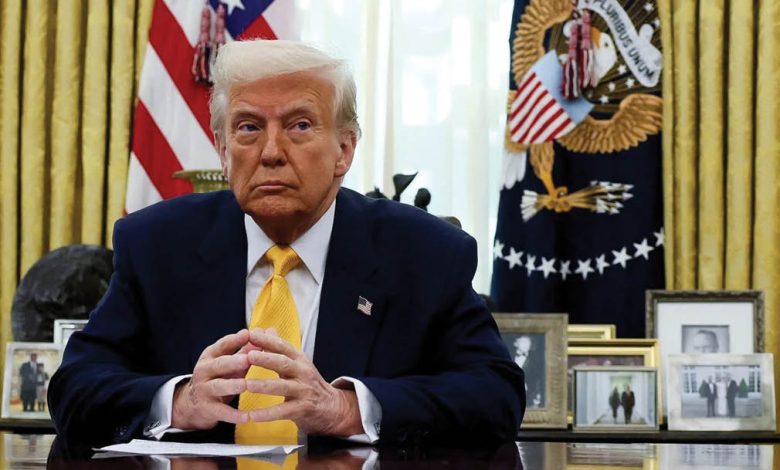
The Trump administration has recalled nearly 30 career diplomats from ambassadorial and other senior embassy posts as it seeks to reshape U.S. diplomatic posture abroad with personnel aligned to President Donald Trump’s “America First” priorities.
At least 29 ambassadors were notified last week that their terms will end in January, according to two anonymous State Department officials who spoke about internal personnel shifts. All of these diplomats assumed office during the Biden administration but survived an early purge targeting political appointees in the initial months of Trump’s second term. The change became official on Wednesday when they received notices from Washington officials regarding their imminent departure.
Ambassadors serve at the pleasure of the president although they typically remain at their posts for three to four years. Those affected by the shake-up retain their foreign service jobs but will return to Washington for other assignments should they choose, the officials stated. The State Department declined to specify exact numbers or ambassadors involved but defended the changes as “a standard process in any administration,” noting that an ambassador is “a personal representative of the president and it is the president’s right to ensure he has individuals in these countries who advance the America First agenda.”
Africa is most affected, with ambassadors from 13 nations—including Burundi, Cameroon, Cape Verde, Gabon, Ivory Coast, Madagascar, Mauritius, Niger, Nigeria, Rwanda, Senegal, Somalia, and Uganda—being recalled. Asia follows with six countries: Fiji, Laos, the Marshall Islands, Papua New Guinea, the Philippines, and Vietnam. Europe sees adjustments in four nations (Armenia, Macedonia, Montenegro, Slovakia), while two additional countries are impacted in the Middle East (Algeria and Egypt), South and Central Asia (Nepal and Sri Lanka), and the Western Hemisphere (Guatemala and Suriname).
The diplomatic realignment has drawn concern from some lawmakers and American diplomats’ unions.