Trump Credits Unemployment Rate Spike on Federal Workforce Cuts, Promises Rapid Job Growth
President Donald Trump on Friday criticized mainstream media for inaccurately reporting the reasons behind the country’s current unemployment rate.
In a Truth Social post, Trump stated the jobless rate “ticked up” to 4.5% solely due to his administration reducing federal employment “by numbers that have never been seen before.”
He asserted that “100% of our new jobs are in the private sector,” claiming he could “reduce unemployment to 2% overnight” by hiring more federal workers — a move he described as unnecessary.
Trump urged reporters to contextualize the rate with his administration’s actions, declaring cutting government bureaucracy “the only way” to “MAKE AMERICA GREAT AGAIN!”
The White House reinforced this narrative in a new release, labeling recent jobs data evidence that Trump is “fixing the damage caused by [former President] Joe Biden” and constructing an “America First economy.”
Press secretary Karoline Leavitt stated the report demonstrates job growth occurring “exactly where it should be” — within the private sector and among native-born Americans.
According to White House figures, since September, the private sector has added 121,000 jobs while the federal government has lost 168,000 workers as the administration implements cuts to what it calls “the runaway federal bureaucracy.”
The release noted federal employment is at its lowest level in over a decade and highlighted construction hiring gains as part of “building in America with American workers leading the way.”
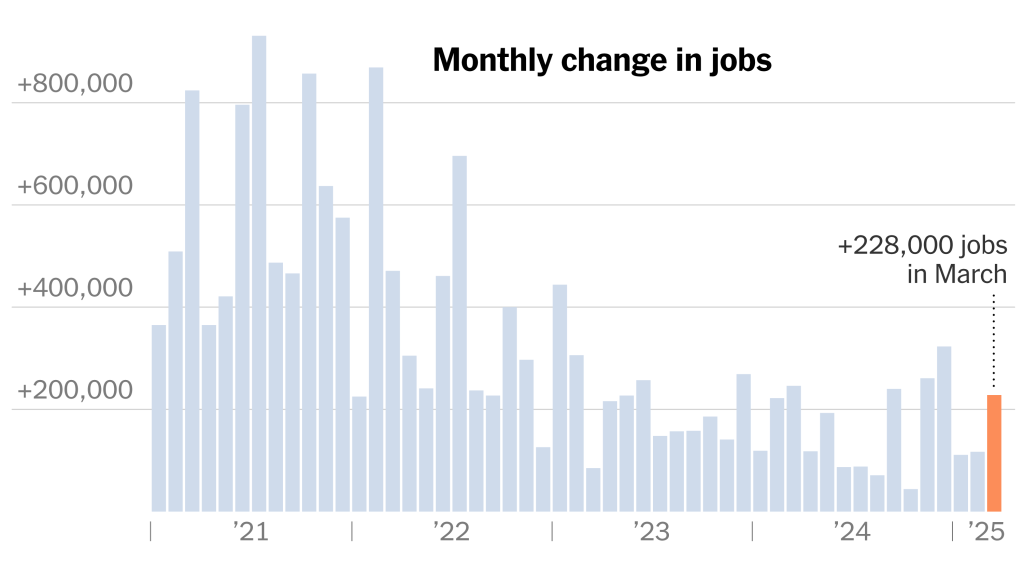
Delayed Labor Department data revealed the U.S. added 64,000 jobs in November but lost 105,000 in October, pushing the unemployment rate to 4.6% — the highest since 2021.
The October job decline stemmed from a sharp drop in federal employment linked to Trump administration cuts, while private sector growth was heavily concentrated in healthcare and construction.
This year’s hiring has slowed, with job creation averaging significantly below earlier periods as employers consider trade policy uncertainty and the ongoing impact of elevated interest rates.
The delayed data also complicated the Federal Reserve’s decision-making process, prompting the central bank to cut interest rates again.