Treasury Secretary Scott Bessent Proposes ‘Back to Basics’ Regulatory Shift to Fuel Economic Growth
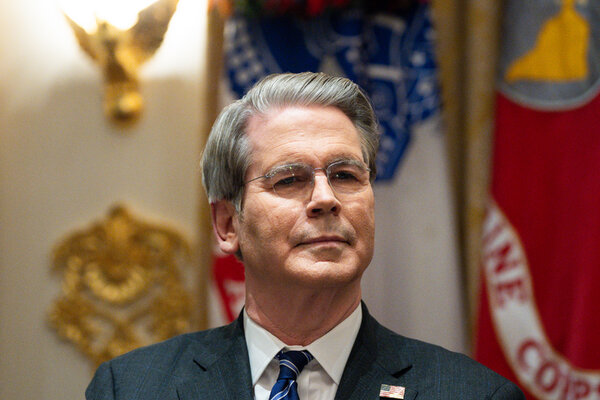
Treasury Secretary Scott Bessent has proposed a major shift in how the government approaches financial regulation and stability. In a letter to the Financial Stability Oversight Council (FSOC), Bessent urges the powerful post-crisis watchdog to flip its mindset. Instead of constantly tightening rules, the council should examine whether regulations themselves are now threatening growth and, ironically, financial stability.
The letter states that the council will work with member agencies to determine if parts of the U.S. regulatory framework “impose undue burdens and negatively impact economic growth, thereby undermining financial stability.” This language marks a sharp break from the Obama-era Dodd-Frank regime that created FSOC in 2010, which had a clear bias toward more red tape, more designations, and greater supervisory power.
The Financial Stability Oversight Council brings together the heads of the Federal Reserve, Securities and Exchange Commission, Federal Deposit Insurance Corporation and other regulators under the Treasury secretary’s chairmanship to identify systemic risks and respond to emerging threats. Under Bessent, the council has already begun moving away from activist regulation. In September it voted without dissent to disband two climate-risk advisory panels that had been central to the Biden administration’s push to inject climate politics into bank oversight.
Bessent described this shift as a “back to basics” approach that frees up capital for lending and growth. Thursday’s proposal pushes the reset button even further, urging FSOC to scrutinize the cumulative cost of rules that have piled up since 2008—a burden community banks, regional lenders, and small businesses have long complained chokes credit.
Earlier this year, Bessent began convening regulators to “streamline oversight” and apply “commonsense principles” so banks can better finance the real economy. In a nod to innovation, Bessent is also forming an FSOC working group on artificial intelligence to “promote the resilience of the financial system while also monitoring for potential risks” from AI. The task force will look for ways AI can strengthen risk management and market functioning, even as it keeps an eye on new vulnerabilities.
Supporters say Bessent is fulfilling Republican promises by undoing the mission creep that turned FSOC into a super-regulator and refocusing it on protecting stability through economic growth. The council’s mandate explicitly includes “promoting market discipline”—not guaranteeing Washington will bail out bad decisions.