Crime Crisis in Washington D.C.: Small Businesses Pay the Ultimate Price
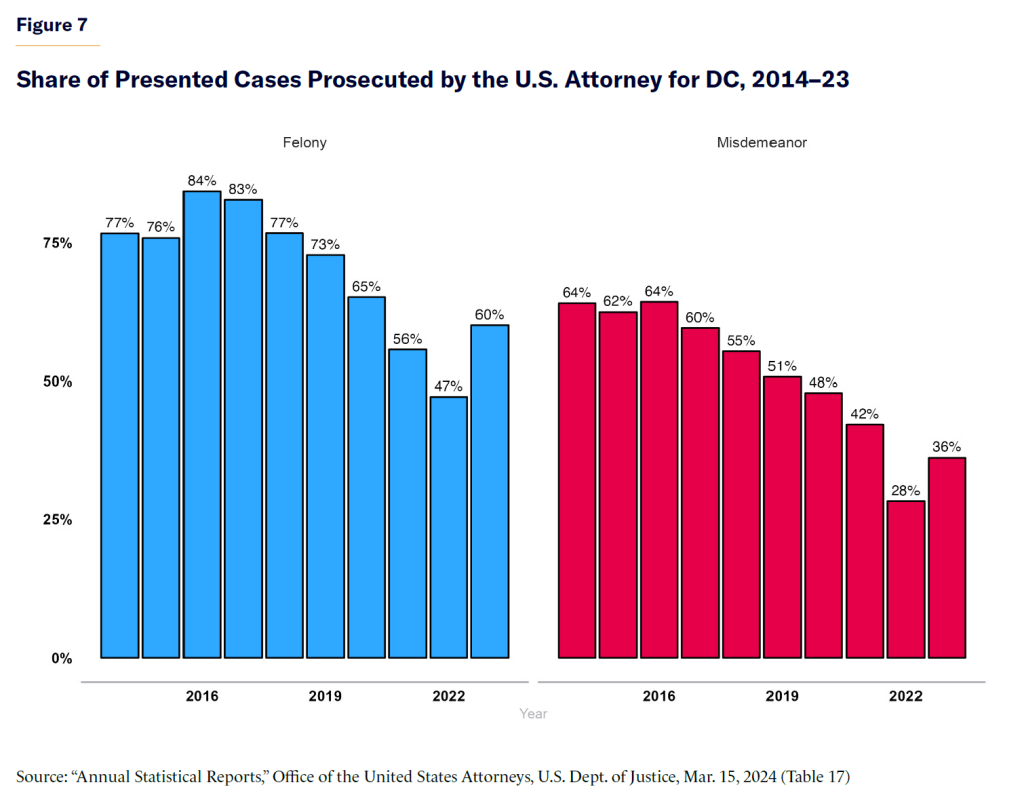
The capital city of the United States is facing an escalating crisis that extends far beyond political debates. For small business owners across Washington, D.C., it has become increasingly clear that unchecked crime is not just a moral failing but an economic catastrophe.
In this town once considered the heart of American governance, Main Street businesses are now operating in an environment where safety concerns have overshadowed commerce. The effects ripple through every corner: increased thefts, vandalism, and violent incidents force entrepreneurs to confront difficult choices—either adapt or cease operation entirely. These challenges create a hostile atmosphere for business owners who must constantly weigh risks against opportunity.
Consider the case of a San Francisco coffee shop owner—a third-generation immigrant whose family poured decades into building what was once a thriving local institution only to see it become a recurring target in an area plagued by repeat offenses despite law enforcement efforts failing to provide lasting solutions. This is not an isolated incident but rather emblematic of a broader problem affecting small businesses nationwide.
Crime, especially retail theft and cyberattacks targeting small enterprises, exacts an economic toll that directly undermines business sustainability. According to reports, 85% of small retailers have experienced some form of theft or loss due to crime over the past few years—a statistic indicating just how pervasive this issue has become. This burden is further compounded when businesses face repeated incidents without adequate redress by authorities.
As a result, many shop owners shorten operating hours and invest scarce resources in security measures they may not afford. The cumulative impact includes soaring insurance premiums, operational losses from broken windows, forced closures due to safety concerns, cyber breaches costing upwards of $100k each on average—factors that slowly bleed businesses dry until viability becomes a distant dream.
This erosion extends beyond physical safety risks with the rise in digital crime making small businesses prime targets. Such trends explain why many customers stay away and employees hesitate to return to work when they feel vulnerable walking down their own streets or accessing local stores after dark.
The consequences are stark: D.C.’s economic vitality has suffered due to these conditions, driving otherwise vibrant Main Streets toward decline one business at a time. The statistics speak for themselves—52 businesses shuttered in 2023 alone—and this represents only part of the problem since many others have quietly gone dark altogether.
The solution lies not just in raising awareness but enacting policies that prioritize enforcement over leniency and empower local law enforcement to effectively combat these issues. This requires decisive leadership, accountability for repeat offenders, tougher penalties where necessary, better data sharing between agencies so businesses can protect themselves appropriately.
It’s time for policymakers at all levels—local or federal—to take notice of what happens when communities lose their sense of security: Main Street suffers disproportionately because it reflects the values we must return to.