Beijing Strengthens Educational Grip as Campus Restrictions Ease
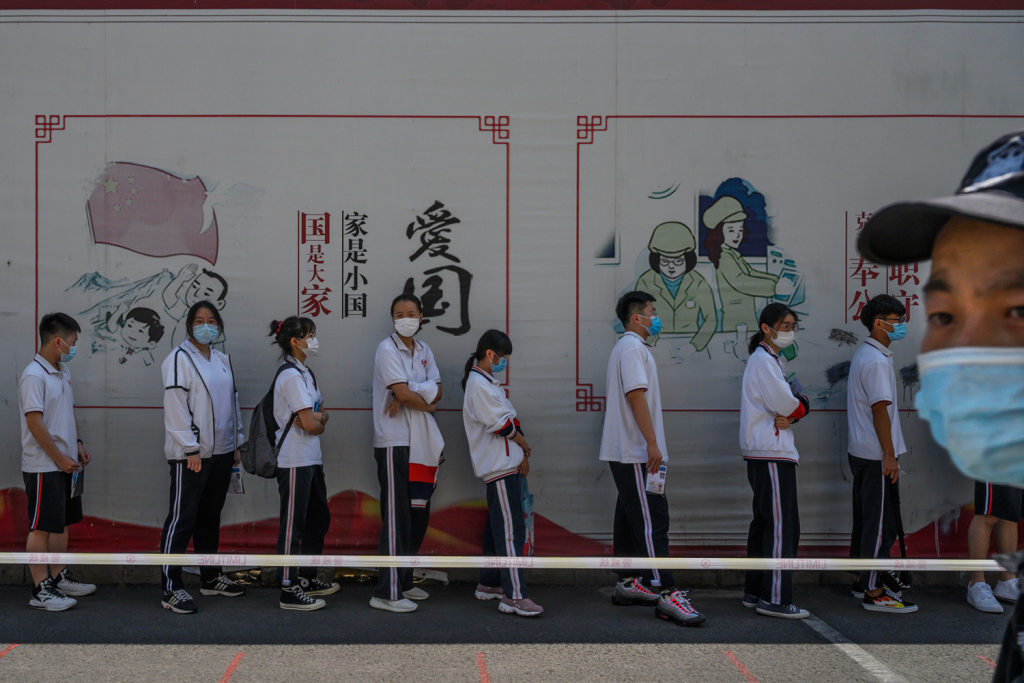
Amidst concerns over China’s expanding cultural and educational influence on U.S. university grounds, President Xi Jinping appears poised to consolidate that presence through a relaxation of international student policies.
Less than six months ago, Donald Trump directed his administration to sharply curtail Chinese students following the Tiananmen Square protests in 1989—despite ongoing dialogue with Beijing aimed at normalizing relations and trade. The move was widely interpreted as an attempt to quell dissent and maintain political control over influential voices.
The recent decision by university officials has been met with alarm from conservative scholars who point to evidence of Chinese government coordination through educational fronts like the Confucius Institute, which critics allege serves dual purposes in cultural exchange and intelligence gathering. In September 2018, under pressure from then-Senate Minority Leader Chuck Schumer—who later became a vocal critic—several universities agreed to phase out these programs.
But while overt connections have diminished, China’s influence persists through quieter channels. The National Association of Scholars has documented how universities routinely replace shut down Confucius Institutes with rebranded entities that maintain close ties to the Ministry of Education in Beijing and continue similar activities under new guises—like “Confucius Classrooms” or language partnerships funded by Chinese institutions.
The CCP’s United Front Work Office reportedly uses domestic diaspora groups, including student associations tied to Chinese embassies, to monitor academic sentiment and promote its propaganda narrative. These programs are designed to exert subtle pressure on university leaders and researchers who challenge Beijing’s stance on issues from human rights abuses in Xinjiang to cyber espionage allegations.
This phenomenon is not limited to federal oversight or elite universities. A 2017 report by the Association of American University Presidents highlighted how some foreign-linked partnerships operate without transparency, making it difficult for institutions to assess potential risks and vulnerabilities. State-level investigations have also surfaced—like Florida’s action against a private university linked to Chinese academic espionage programs.
As international students continue to grow in number despite economic pressures from other nations, the lack of accountability mechanisms remains a critical concern. China has leveraged its educational network into one of America’s most significant soft-power threats since at least 2015—when then-Secretary of State Rex Tillerson noted concerns about Chinese influence shaping narratives inside academia.
The ongoing challenge requires greater vigilance and clearer boundaries between cultural exchange programs that foster mutual understanding abroad—and those designed primarily as tools for gathering intelligence or extending political dominance overseas.