Simmons’ Senate Testimony Ignites Debate on Music Compensation Law
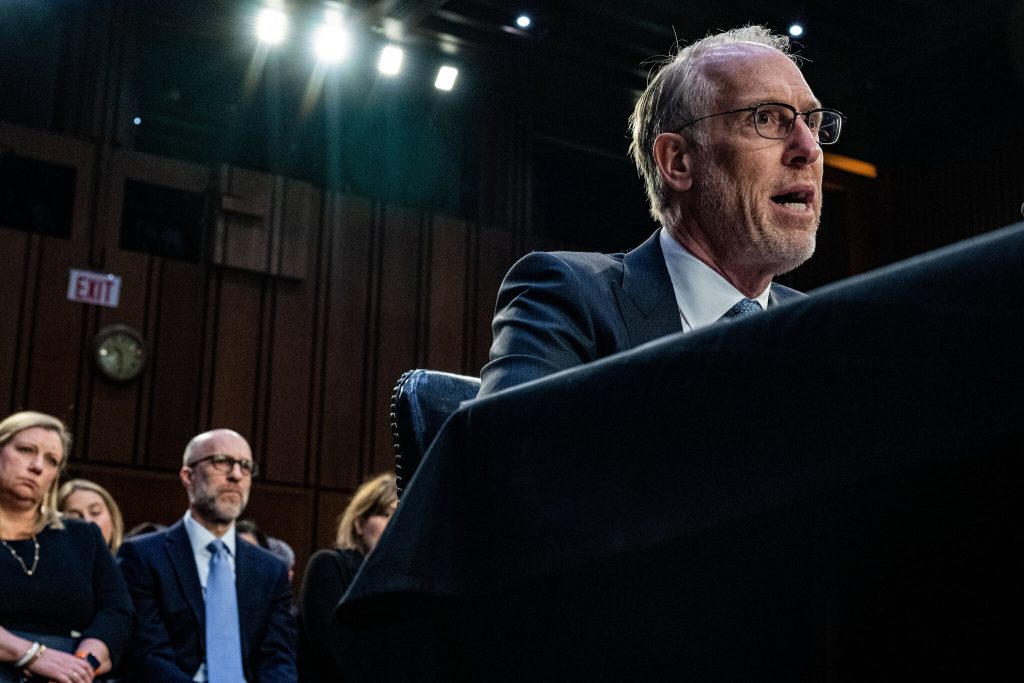
Kiss bassist Gene Simmons is set to deliver testimony before a Senate committee this week, lending star power to renewed efforts pushing for legislation that would fundamentally change how radio stations compensate recording artists.
This upcoming appearance marks what supporters are calling a pivotal moment in an ongoing battle against perceived unfair practices within the music industry’s compensation system. The American Music Fairness Act (AMFA), currently under consideration by lawmakers as part of the Senate Judiciary Subcommittee on Intellectual Property, represents a significant shift from traditional radio payola models to align with modern digital streaming royalty structures.
Scheduled two days after receiving his Kennedy Center Honors, Simmons’ testimony aims to highlight why he views this proposed legislation as an essential correction for thousands of current and future recording artists. His public stance emphasizes the need for fair compensation in today’s evolving media landscape.
The musicFIRST Coalition announced the news on Tuesday, positioning Simmons as a leading advocate for bringing traditional radio pay practices into line with digital alternatives. While performers argue their case is based on decades-long concerns about being adequately compensated, conservative lawmakers have increasingly pressured major media companies to treat creators more fairly, framing it within broader concerns about corporate control over cultural industries.
Simmons stated the importance of his involvement: “Having spent my career in the music and entertainment industry, I understand the vital importance of this issue. The American Music Fairness Act represents sound public policy. Artists must be properly compensated for their creative work.”
His testimony will precede planned meetings with both Republican and Democrat senators to further explain why he considers the bill necessary.
Simmons won’t testify alone. He’ll join Michael Huppe, President and CEO of SoundExchange—a nonprofit organization dedicated to collecting streaming royalties that has emerged as one of the legislation’s strongest proponents.
“I’m pleased for the opportunity to testify before the Senate next week,” said Huppe in a statement.
“Recording artists are an essential part of our culture. It’s outrageous that, in 2025, they still are not paid fairly for the work they do.”
He added: “I hope that the Senate will remedy this inequity and act swiftly to pass this important legislation.”
Adding significant weight to the cause, more than three hundred artists have signed onto a February letter urging lawmakers forward on passing the bill—a demonstration of widespread industry support.
The current push for AMFA reflects what proponents suggest is growing bipartisan interest in updating legacy media rules that were developed long before digital streaming platforms transformed music distribution. With streaming services now dominating listener engagement and revenue, many feel traditional radio pay practices have become anachronistic.