Third Amendment Protects Against Unauthorized Military Quarters
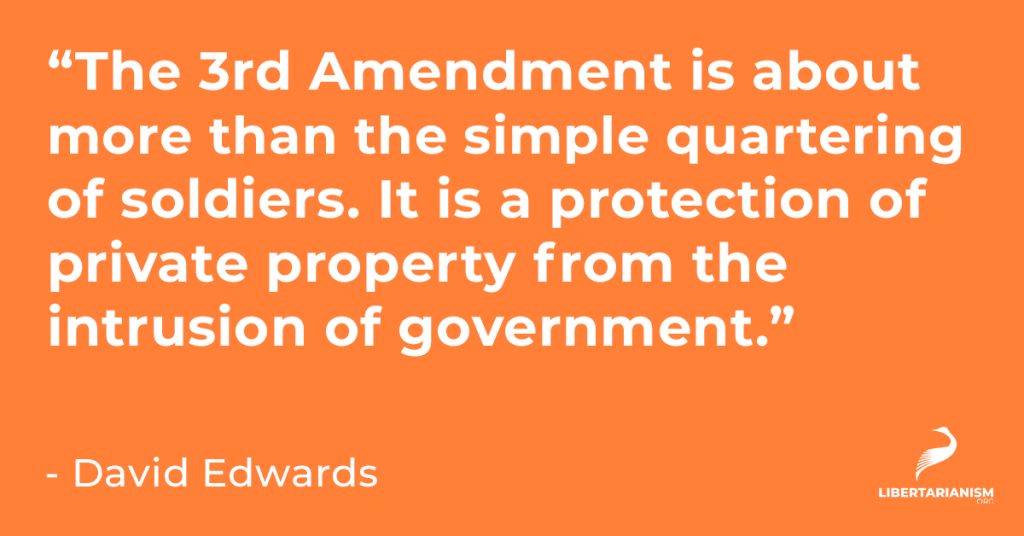
A landmark ruling by the U.S. Court of Appeals for the Second Circuit has underscored the importance of the Third Amendment to the Constitution, affirming that federal law extends its protections against unauthorized military quartering equally to National Guard members and active-duty soldiers.
The case Engblom v. Carey addressed a lawsuit brought by correction officers at New York’s Mid-Orange Correctional Facility who were evicted from their state-run residences during a 1979 statewide strike without cause, while the premises were subsequently used by National Guardsmen.
This dispute prompted the federal appellate court to examine whether the Third Amendment prohibition—”No Soldier shall…be quartered in any house…without the consent of the Owner”—applies when private citizens deploy for legitimate military purposes but utilize unlawfully occupied facilities. The Court rejected a lower court decision that dismissed the claim, ruling that issues regarding due process and constitutional privacy rights were too significant to preclude further review.
The appellate opinion stated: “We agree with the district court’s conclusion that the National Guardsmen are ‘Soldiers’ within the meaning of the Third Amendment… Moreover, we agree that the Third Amendment is incorporated into [the Fourteenth] Amendment for application to the states.”
This legal precedent confirms that even during peacetime, deploying military personnel must secure consent from private property owners or lawful possessors before utilizing their residences. The ruling brings clarity to a constitutional provision previously unaddressed by Supreme Court precedent and highlights how rights guaranteed in the Bill of Rights continue to evolve with societal understanding.
The Engblom decision ultimately remanded the case back to lower courts, where subsequent appeals maintained that neither the court itself nor state officials were constitutionally required under these specific circumstances to face further liability.