Honduran Election Narrows to a Closely Fought Technical Tie Amidst Controversy
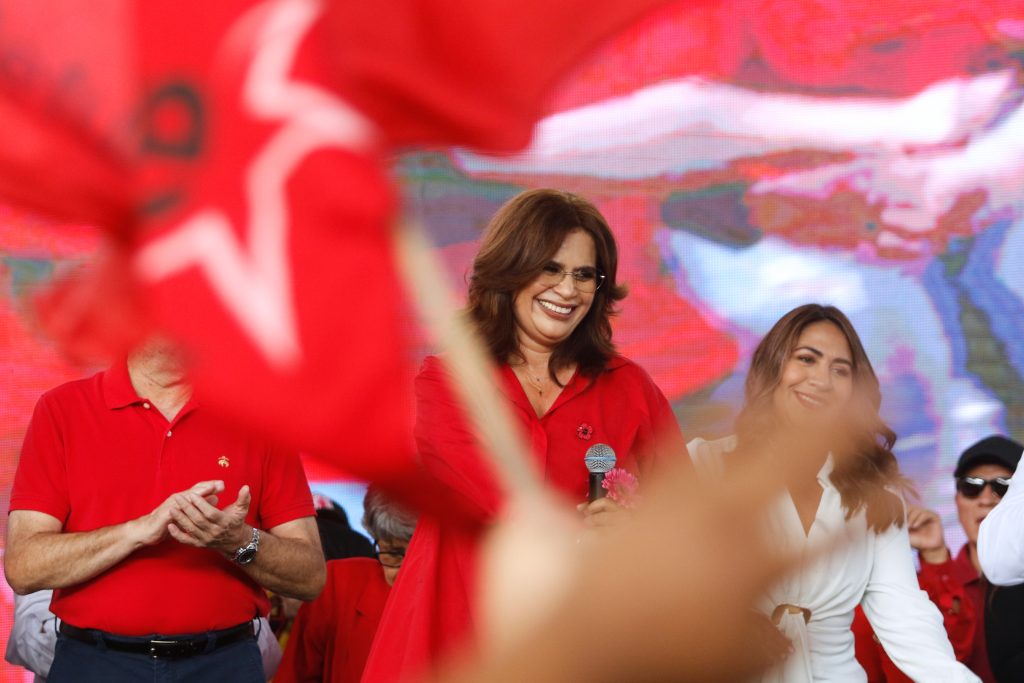
Ruling party presidential candidate Rixi Moncada attends her closing campaign rally in San Pedro Sula, Honduras, Saturday, Nov. 22, 2025. (AP Photo/Delmer Martinez)
WASHINGTON – President Donald Trump escalated his rhetoric regarding foreign elections on Monday, specifically accusing Honduran election officials of “trying to change” their nation’s presidential results. The two leading candidates have entered what appears to be the final stretch of voting in Latin America’s latest contest with a razor-thin margin.
In an abrupt move, Nasry Asfura surged ahead dramatically during the last hours of vote counting on November 30th, taking the lead over rival Salvador Nasralla by a mere fraction. Trump took to social media to denounce this development as an election fix, warning his followers that if the results were indeed altered from earlier projections, it could spark significant international conflict.
“Looks like Honduras is trying to change the results of their Presidential Election,” Trump tweeted without offering evidence or alternative interpretations. “If they do, there will be hell to pay! The people of Honduras voted in overwhelming numbers on November 30th.”
The National Electoral Council (CNE) leadership has responded by calling for patience as it proceeds cautiously with a manual count—a standard requirement but one that Trump appears unwilling to respect. CNE head Ana Paola Hall noted via social media, “Their tally was stopped when only 47 percent of the vote was counted… It is imperative that the Commission finish counting the votes.”
Even amidst these accusations, the race remains too close to call in definitive terms. Asfura leads by just 515 votes according to preliminary counts, yet Nasry himself concedes it requires a thorough recount for legitimacy.
This intervention comes as Trump continues his pattern of publicly endorsing right-wing candidates across Latin America, seeking to influence outcomes despite his administration’s stance on avoiding direct political meddling abroad. The election results stand against the interests of the ruling leftists, who are far behind in vote tallies and face an uphill battle if their party concedes defeat.
Some supporters have interpreted Trump’s comments as a potential positive sign for immigration policy, expressing hope that it might mean leniency for former Honduran President Juan Orlando Hernandez, currently serving a 45-year prison sentence on drug trafficking charges. This connection represents another dimension of complexity in the election’s underlying tensions involving migration and security concerns.
“The people who are fleeing north see not only an opportunity to escape poverty and violence,” said a spokesperson representing asylum seekers affected by Trump’s crackdowns, “but also hope for protection from persecution—a stark contrast between how this election is portrayed.”
International observers continue to urge restraint ahead of final results. As the vote count progresses slowly with widespread fears over potential unrest due to partisan accusations of fraud on both sides, many Hondurans express mixed feelings about their country’s future direction under any administration.
“With nearly 30,000 deportations already carried out since January,” a spokesperson noted regarding Trump’s policy impact, “the outcome may determine whether international partners align with either economic opportunity or political repression.”
Full results are expected to take days.