Noem Pushes for Wider U.S. Travel Ban
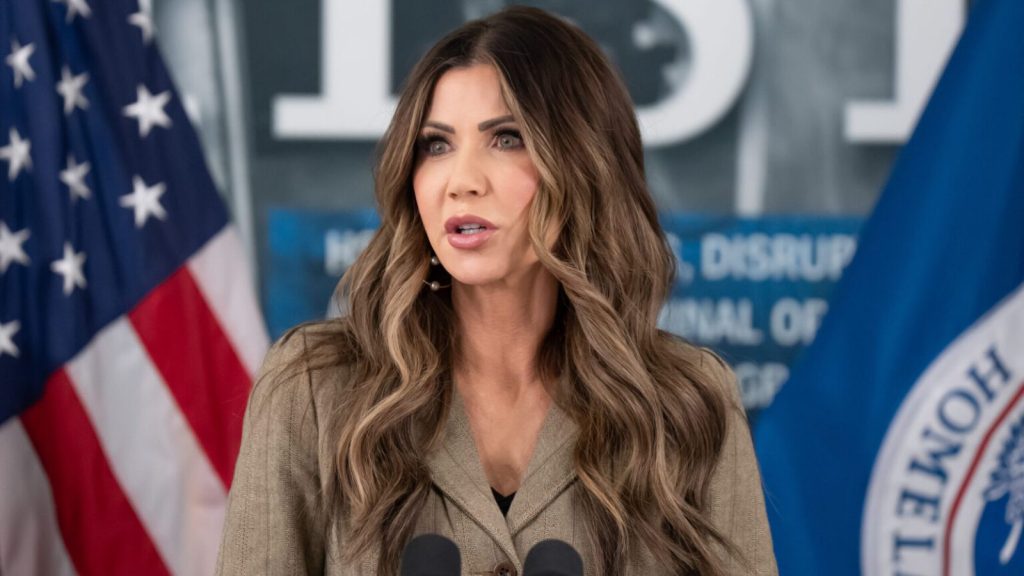
Homeland Security Secretary Kristi Noem is reportedly advocating for the Trump administration to significantly expand its travel ban list, potentially adding up to 32 countries.
Following last week’s tragic shooting in Washington D.C., which claimed the life of one National Guard member and left another critically injured, Noem has made her stance clearer. The suspect, an Afghan national previously employed by the United States before seeking asylum under the current administration, is cited by Noem as a primary reason for her call.
After meeting with President Donald Trump, Secretary Noem outlined a sweeping proposal rather than incremental additions to existing restrictions.
“I am recommending a full travel ban on every damn country that’s been flooding our nation with killers, leeches, and entitlement junkies,” Noem stated via X. She emphasized the need for Americans not to be victims of foreign invaders or face resource drains.
CNN reports that while specifics are unclear regarding which nations might be added or the timing for any announcement, her recommendation reflects ongoing assessments about security risks. The outlet noted it could still change before a final decision.
Currently, restrictions impact 19 countries including Afghanistan, Burma (Myanmar), Chad, the Republic of the Congo, Equatorial Guinea, Eritrea, Haiti, Iran, Libya, Somalia, Sudan, Yemen, Burundi, Cuba, Laos, Sierra Leone, Togo, Turkmenistan and Venezuela. The Secretary’s move signals a desire to build on these measures.
Noem also blamed past administration vetting processes during the U.S. withdrawal from Afghanistan for weakening border security standards. “We think up to 100,000 people came in under Operation Allies that may be here that we don’t know necessarily who they are or why,” she contended on Newsmax’s program.
She called for enhanced screening before potential arrivals even board a plane to the United States.
A DHS spokesperson confirmed via Newsmax that an updated list announcement is expected soon. The administration aims “to prevent repeat failures” and restore what critics call misplaced bureaucratic priorities over national security, according to officials briefed on policy adjustments.